
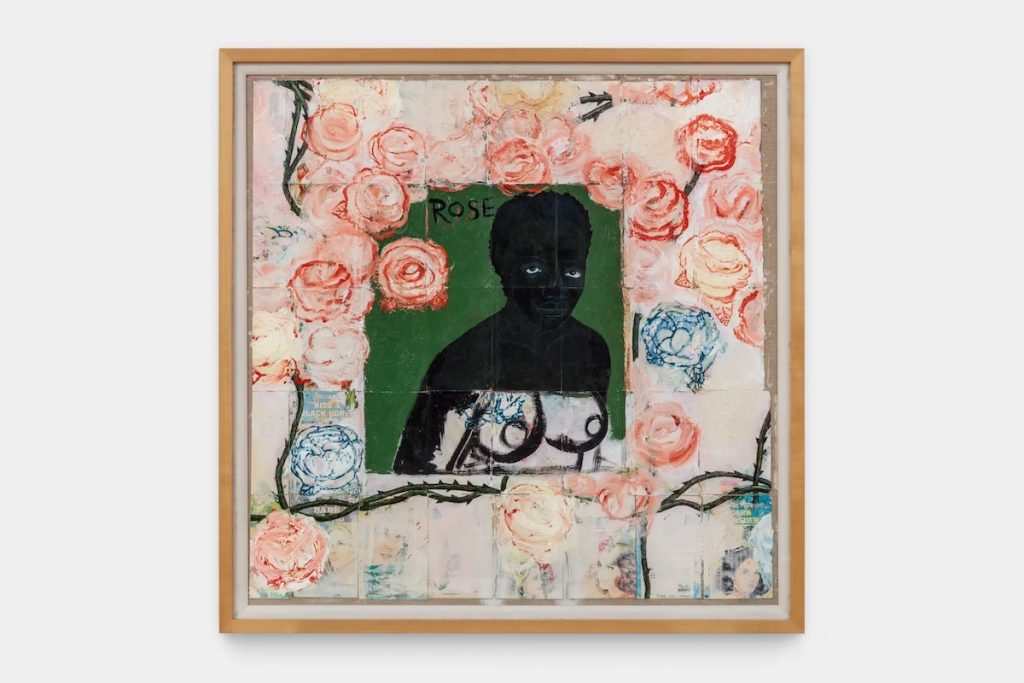
The Vision Behind “Destiny Is a Rose” at Hauser & Wirth
Few exhibitions embody personal conviction, artistic excellence, and social impact as powerfully as “Destiny Is a Rose”, opening February 24, 2026 at Hauser & Wirth Los Angeles. Celebrating fifty years of visionary collecting by philanthropist and cultural advocate Eileen Harris Norton, this expansive exhibition presents over 80 works that collectively trace a half-century of her stewardship in the arts. Named after a 1990 painting by Kerry James Marshall, “Destiny Is a Rose” reveals how one woman’s unwavering commitment to artists—particularly women, artists of color, and her native California’s creative voices—can shape cultural narratives and institutions for generations to come.
From the moment Harris Norton purchased her first work in 1976—a print directly from artist and African American arts advocate Ruth Waddy—she began building not just a collection, but a living archive of justice, identity, and beauty. A third-generation Angeleno raised near the Watts Towers, her experience as a public school ESL teacher and co-founder of a successful software company laid the foundation for a uniquely grounded, community-driven approach to collecting.
Her influence has helped elevate museum curators like Kellie Jones, Thelma Golden, and Lowery Stokes Sims, who’ve since reshaped institutional practices to reflect a more inclusive art world. That mission comes full circle here.
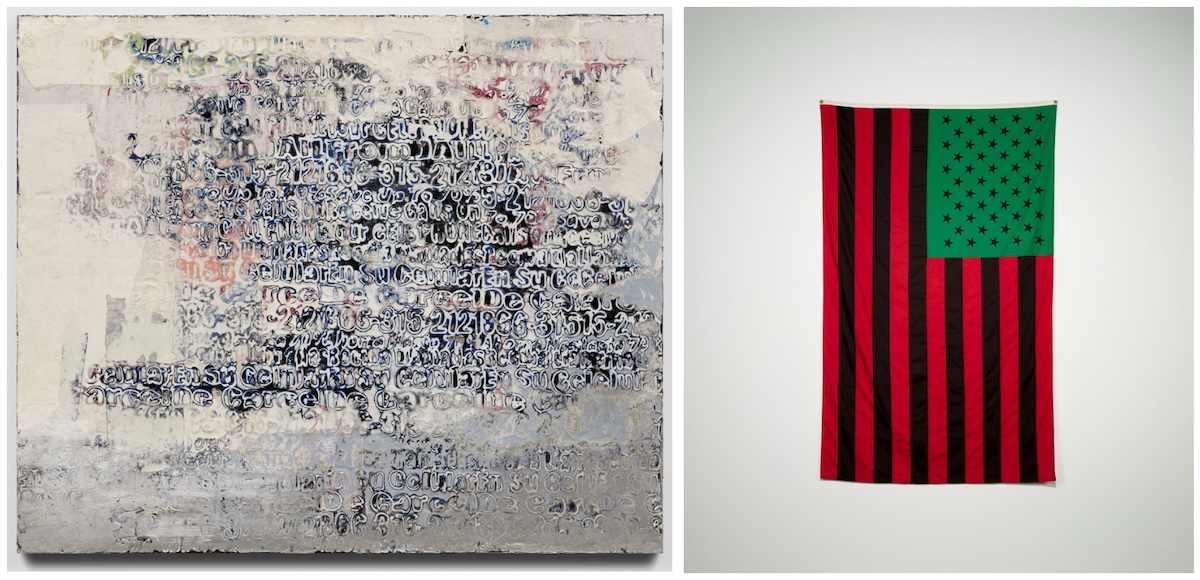
(r) David Hammons “African American Flag” 1989, Canvas and grommets
“Destiny Is a Rose”, The Exhibition
Unfolding across the gallery’s multiple spaces, “Destiny Is a Rose” immerses visitors in a visual and intellectual garden, with each section structured like a chapter in Harris Norton’s ongoing dialogue with art and society. The exhibition opens with works that reflect her earliest impulses: color, texture, and the confrontation of race and gender. Anchoring this introduction is Lorraine O’Grady’s iconic performance relic “Mlle Bourgeoise Noire”, a sculpture-cum-costume constructed of 180 white gloves and a beaded whip, capturing the artist’s critique of institutional exclusion.
As the show progresses chronologically, visitors trace Harris Norton’s expanding outlook from her Venice Beach beginnings to a broader engagement with the global contemporary art scene. Early works like Alison Saar’s assemblage “Bye Bye Blackbird (1992)”, feathered with the soles of worn shoes, and Charles Ray’s self-suspended photograph from 1973 reflect the early intimacy of her collecting. In the 1990s and 2000s, her eye reached beyond local studios, embracing international figures like Mona Hatoum, Yinka Shonibare, Isaac Julien, and Byron Kim—each probing the intersections of identity, diaspora, and historical narrative.
The final chapter of “Destiny Is a Rose” blooms with Harris Norton’s enduring devotion to artists of African descent. Towering presences like David Hammons, Jack Whitten, Frank Bowling, Noah Davis, and Lynette Yiadom-Boakye share space with the abstract brilliance of Alma Thomas, whose rhythmic color fields pulse like the exhibition’s heart. Together, these works don’t simply illustrate a collector’s taste—they chart a philosophy rooted in long-term support, growth, and belief in art as a transformative social force.
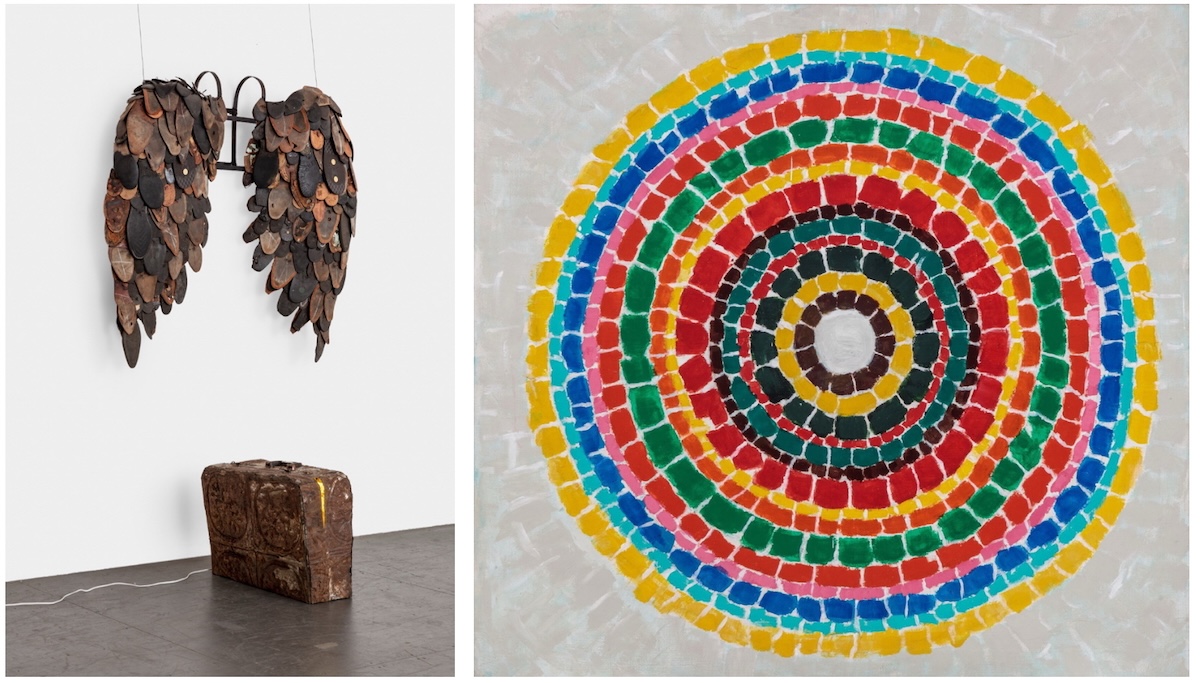
(r) Alma Thomas “Untitled” circa 1968, Acrylic and graphite on canvas
The accompanying catalogue, published by Hauser & Wirth, includes thoughtful essays by Dr. Kellie Jones and curator Ingrid Schaffner, emphasizing the connective tissue between Harris Norton’s collecting, educational advocacy, and relationship-based philanthropy. Her co-founding of Art + Practice with Mark Bradford and Allan DiCastro, as well as her 2019 launch of the Eileen Harris Norton Foundation, underscores her vision that art can serve as a catalyst for care—both locally in Leimert Park and globally through programs that aid youth in transition.
“Destiny Is a Rose” Resonates Now
More than a retrospective, “Destiny Is a Rose” stands as a meditation on the act of collecting itself—viewed not merely as acquisition but as cultivation. Like a seasoned gardener, Harris Norton has nurtured artists, championed causes, and grown a collection that speaks as much to who she is as to the world she wants to help shape. With each carefully chosen piece, she weaves together questions of identity, memory, resistance, and joy, illuminating the quiet but powerful ways private conviction can leave a public mark.
As an educational platform, “Destiny Is a Rose” also serves as a springboard for inclusive programming. The gallery will unveil a new Education Lab aligned with the show, offering workshops and resources developed with community partners. These learning initiatives reflect the same spirit of accessibility and empowerment that animates Harris Norton’s collecting practice.
You may also like
-
“No Other Place to Go”—5 Artists Turn Climate Data Into Human Experience at InLiquid Gallery
-
Erik Spehn Strips the Ground Away in “Waves Become Wings”
-
Zoya Cherkassky’s American Cooking Turns a Vintage Cookbook Into a Study of Displacement
-
“Shimmer—Dreaming the Posthuman” Argues That Care, Not Extinction, Is the Point
-
“New Now IX” at InLiquid Gallery