
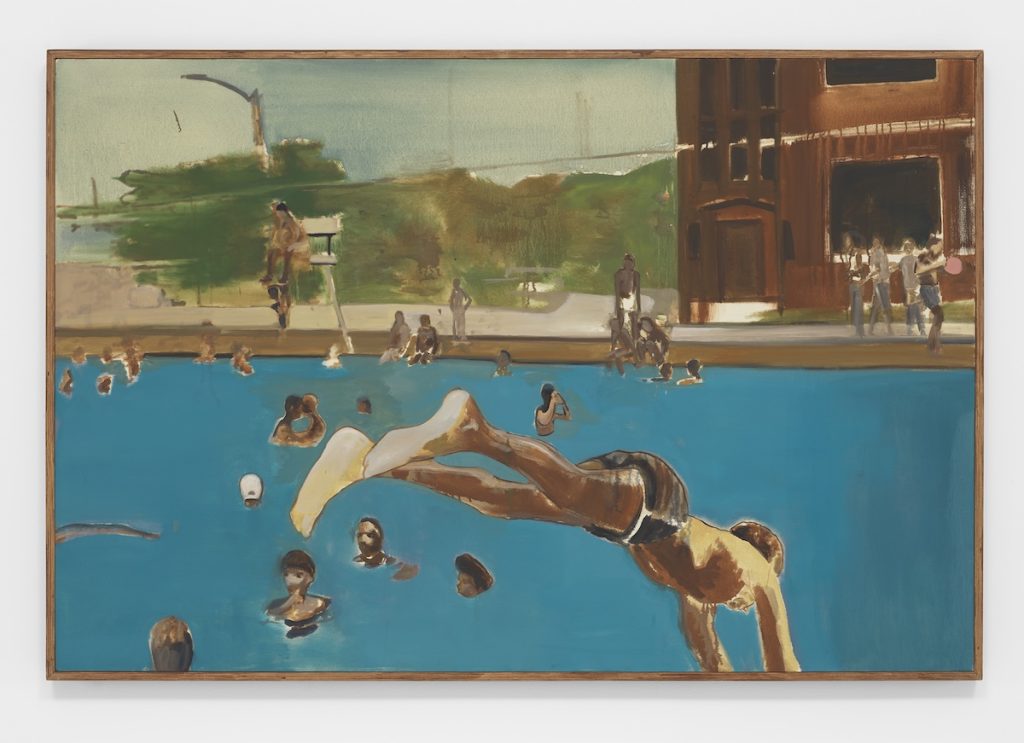
Black Life in Generous Portions by Noah Davis
From January 24 through April 26, 2026, the Philadelphia Art Museum presents Noah Davis in the Morgan, Korman, and Field Galleries (150–155), a survey of the late American artist Noah Davis (1983–2015). As the final stop on an international tour organized with DAS MINSK in Potsdam, the Barbican in London, and the Hammer Museum in Los Angeles, this exhibition brings more than 60 works into one focused, emotionally intelligent arc—painting, sculpture, works on paper, and even the curatorial mindset that defined his broader mission.
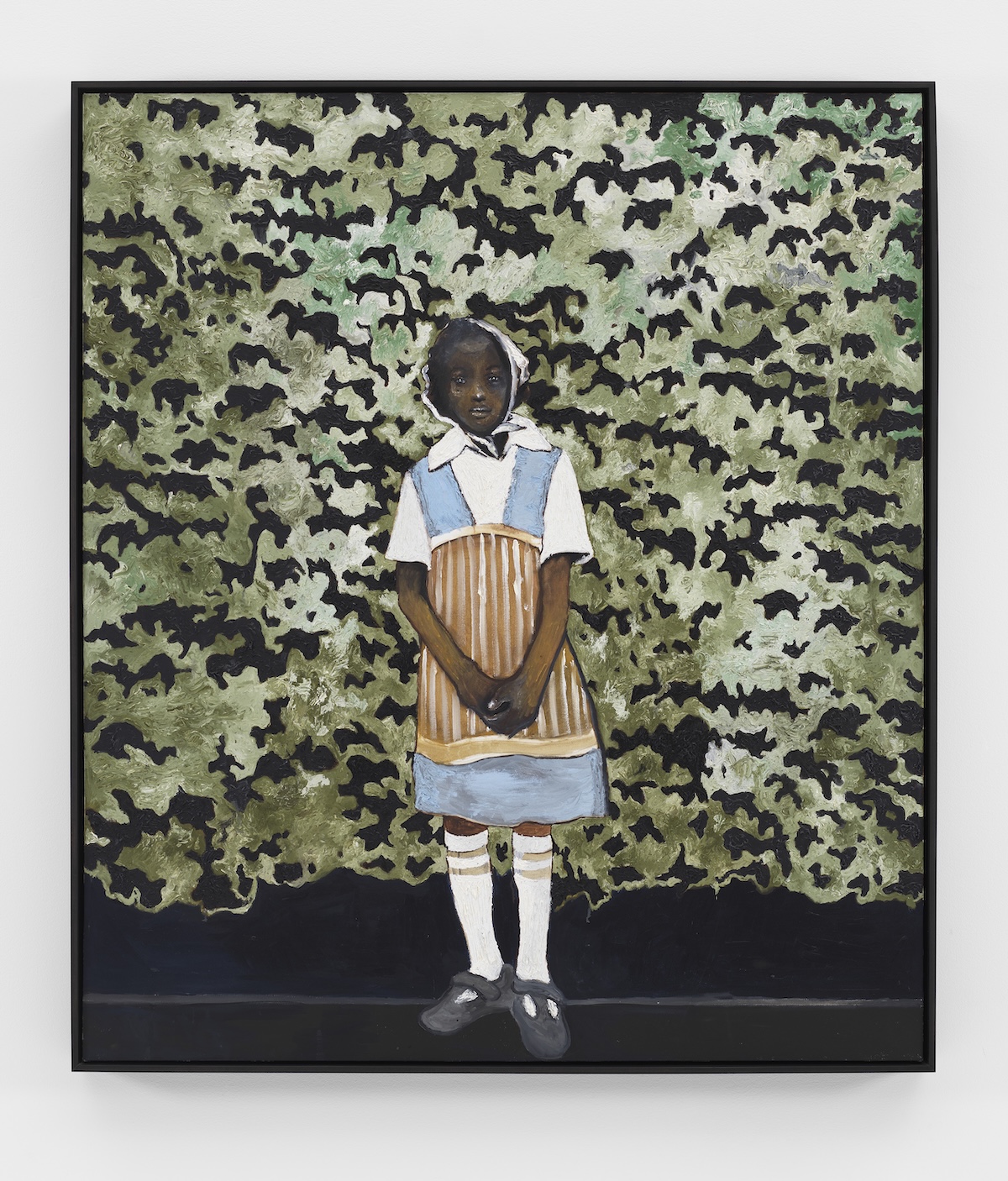
Beyond retrospective, this exhibit is an opportunity to engage the artist’s full vocabulary—how he could pivot from the intimate to the mythic, from the political to the tender, without ever losing the quiet voltage that makes his imagery linger. Noah Davis painted Black life with a generosity that is both specific and expansive—perhaps preserving moments for the people inside them, while also inviting the rest of us to sit down and truly examine.
Davis’s works capture the intricacies of everyday experience with tenderness and depth, linking personal and collective narratives in a way that feels bracingly current. Even if you’ve only seen his work in reproduction, encountering it in person—at scale, in sequence, and in dialogue with the museum’s spaces—gives the practice a new gravity.
Noah Davis in Chronology: 2007 to 2015, Fully Alive
Arranged chronologically, Noah Davis traces the artist’s practice from 2007 until his untimely death in 2015, and that structure matters. You can feel the momentum of a mind testing how images carry meaning—how style can be a language that shifts with the subject. Across the galleries, Davis moves through politics, family histories, mythology, race, architecture, and visual culture, building paintings that can be dreamlike, joyful, melancholic, and occasionally surreal—sometimes all within the same visual breath.
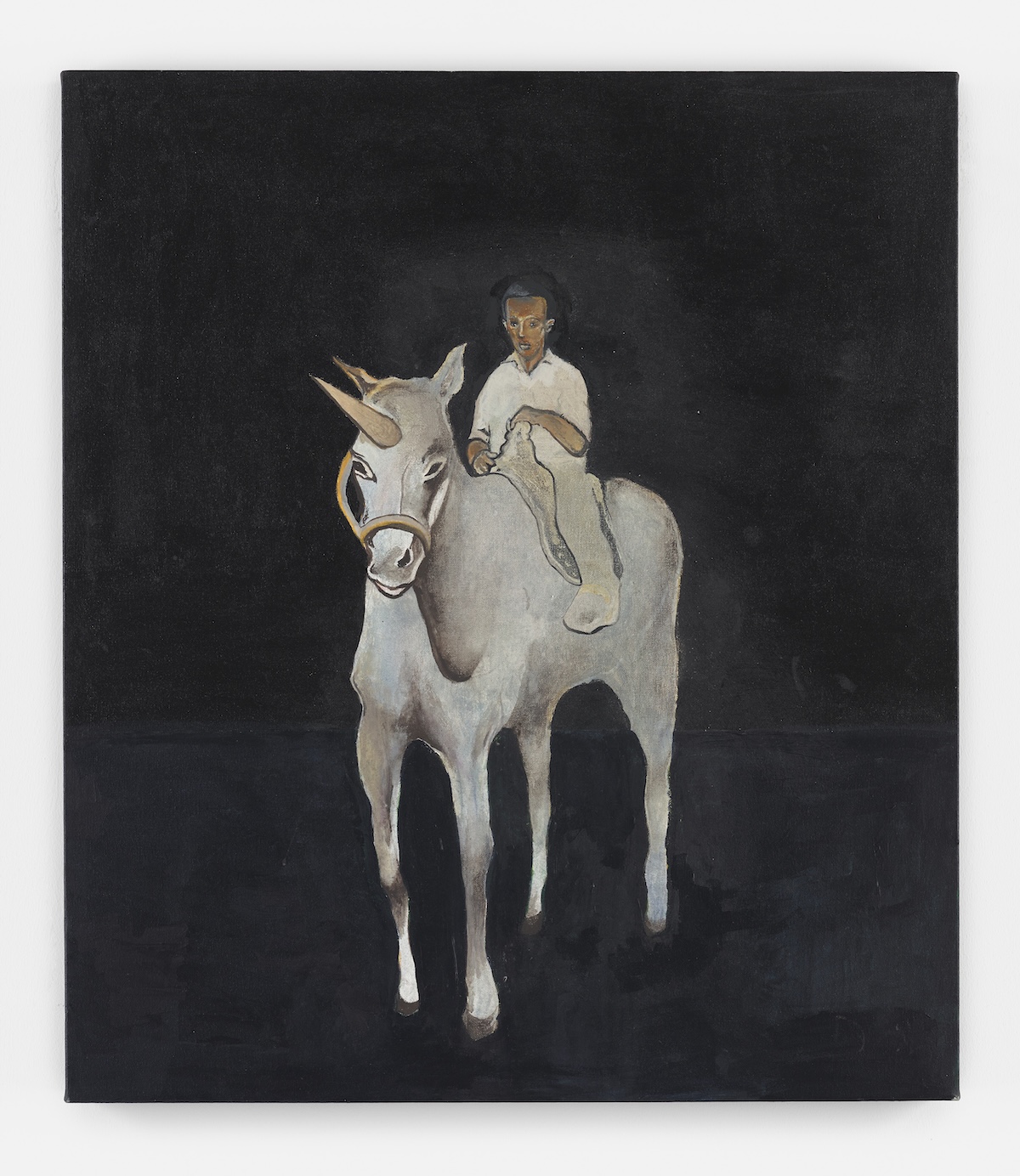
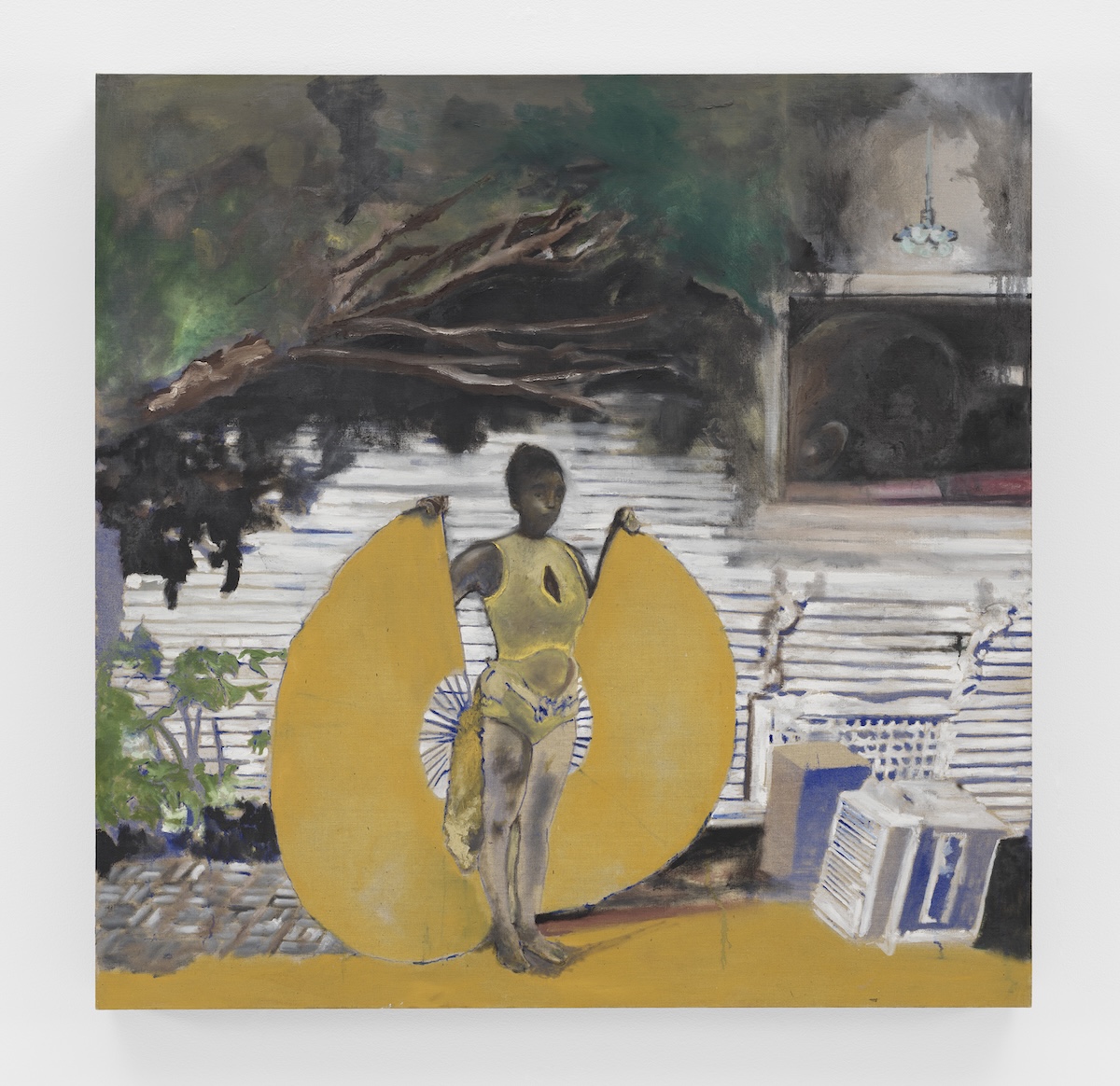
The exhibition’s highlights read like a map of his range and his precision. 40 Acres and a Unicorn (2007) fuses fantasy and history with the kind of provocative clarity that makes you reconsider what “American” imagery can hold. Isis (2009) presents his wife, artist Karon Davis, as the Egyptian goddess, and the gesture feels at once personal and archetypal—an intimate portrait that still radiates symbol and story. In Savage Wilds (2012), Davis turns his attention to complicated portrayals of Black subjects on daytime television, giving the series a razor-edged cultural awareness without sacrificing empathy.
Then, in the celebrated Pueblo del Rio series (2014), he reimagines one of Los Angeles’s oldest and most architecturally significant public housing developments, using architecture as both setting and statement—space as memory, infrastructure as social history, and composition as a kind of moral attention.
Noah Davis Beyond the Canvas: Access, Community, and the Underground Museum
One of the most compelling threads in Noah Davis is how inseparable the art feels from the artist’s belief that art should be accessible to all. In 2012, Davis and Karon Davis cofounded the Underground Museum in Arlington Heights, Los Angeles, converting four storefronts into a free cultural center and transforming the parking lot into a garden planted with purple flowers.
For a period, Davis used the Underground Museum as a studio, as well as a site for residencies and exhibitions, and eventually entered a partnership with the Museum of Contemporary Art (MOCA) to lend works from the collection starting in 2014. By the time of his death, he had planned 18 exhibitions for the Underground Museum using MOCA’s holdings—most of which remain unrealized—driven by the desire to “change the way people view art, the way they buy art, the way they make art.”
That ethos lands beautifully in Philadelphia, especially in a museum context where audiences arrive with different comfort levels, different backgrounds, and different histories of being welcomed into cultural spaces. As curator Eleanor Nairne puts it: “On every encounter, I am struck again by the potency of Noah Davis’s work and it is an honor to share his practice with audiences in Philadelphia.” She adds, “Given how voraciously he drew from art history, I like to think that he would have been glad to be in the rich company of the museum’s collections.”
You may also like
-
Made Over Time Puts Two Half-Century Painting Practices in One Room
-
“No Other Place to Go”—5 Artists Turn Climate Data Into Human Experience at InLiquid Gallery
-
Erik Spehn Strips the Ground Away in “Waves Become Wings”
-
Zoya Cherkassky’s American Cooking Turns a Vintage Cookbook Into a Study of Displacement
-
“Shimmer—Dreaming the Posthuman” Argues That Care, Not Extinction, Is the Point