
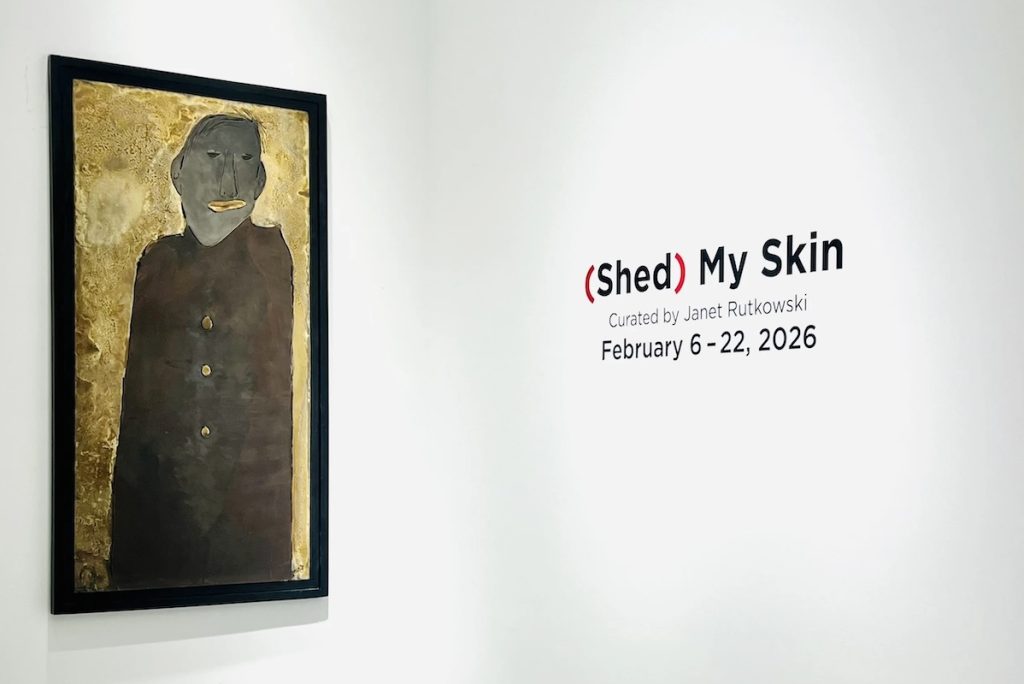
(SHED) MY SKIN turns “realignment” into a physical experience
On view February 6 through February 22, the (SHED) MY SKIN group exhibition at Art Cake gathers 18 sculptors under the curatorial vision of Janet Rutkowsk. The show’s title is direct, visceral, and a little confrontational—in the best way. (SHED) MY SKIN is pulling us into the discomfort of change, the friction of growth, and the strange relief that comes after we finally let something go. That idea is framed beautifully by the quote Rutkowski places at the exhibition’s threshold: “Just as a snake sheds its skin, we must shed our past over and over again.” — Gautama Buddha.
It’s a line that’s been shared a thousand times online, sure—but in this context, surrounded by the physical reality of sculptural labor, it regains gravity. Here, “shedding” becomes something you can almost hear—an internal crackle translated into form.
(SHED) MY SKIN at Art Cake gathers 18 sculptors in alchemy
(SHED) MY SKIN’s curatorial foundation is rooted in lived attention rather than trend-chasing. Rutkowski explains that the concept arrived months ago as she mapped her intentions for 2026—anchoring herself with a single keyword: “Realignment.” Then, in early December, she found herself drawn into “the internet chatter” about the end of the “Karmic 9 Year—The Year of the Snake” and the symbolism of shedding one’s skin as a gateway to transformation. The timing sharpened into something like fate when, as she notes, “coincidence intervened,” and she was offered the chance to curate an exhibition at Art Cake—an opportunity that turned a private framework into a public proposition.
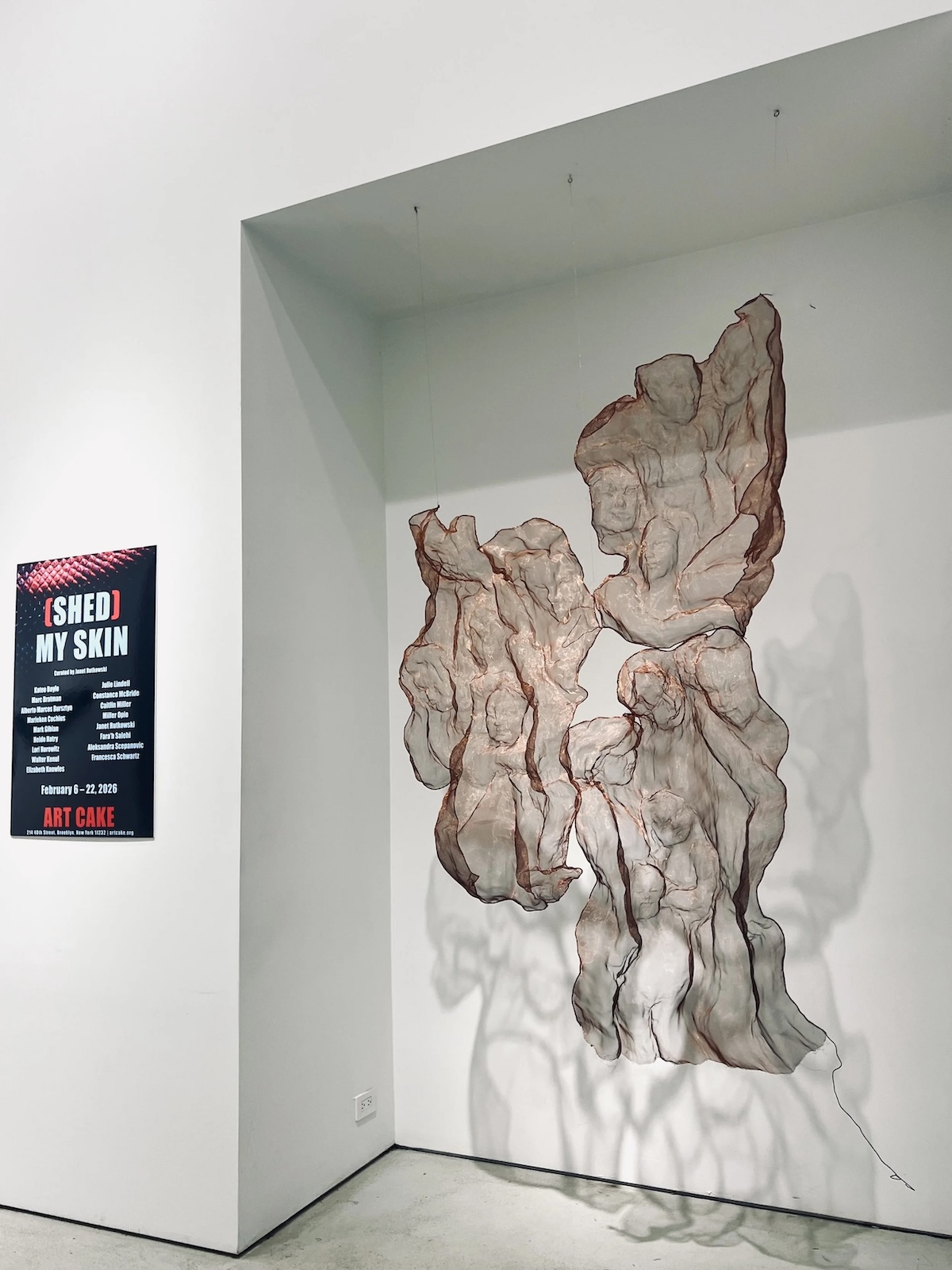
In this show, that proposition is sculptural: transformation doesn’t arrive as a slogan, it arrives as material. (SHED) MY SKIN is described as being “about the transformation of materials presented to the artist,” and the question driving the exhibition has teeth: how does each artist handle the challenge of decaying and discarded objects—or even discarded ideals? That pivot—from objects to ideals—is crucial.
It suggests the show isn’t only about reclaiming physical remnants, but also about what happens when belief systems, identities, or personal narratives break down and get repurposed. Rutkowski positions each sculptor as an alchemist: someone capable of “uplift[ing] the mundane and shed[ding] light upon that which was unseen.” It’s a bold claim, but it’s also the promise sculpture makes when it’s at its best: to turn what we overlook into something we can’t ignore.
(SHED) MY SKIN highlights artists reshaping the discarded into form
The artist list alone reads like a chorus—distinct voices linked by shared willingness to wrestle with the raw, the weathered, and the thrown away. (SHED) MY SKIN features Katee Boyle, Marc Bratman, Alberto Marcos Bursztyn, Marieken Cochius, Mark Gibian, Caitlin Miller, Miller Opie, Janet Rutkowski, Fara’h Salehi, Aleksandra Scepanovic, Francesca Schwartz, Heide Hatry, Lori Horowitz, Walter Kenul, Elizabeth Knowles, Julie Lindell, and Constance McBride.
What I appreciate about Rutkowski’s framing is that she doesn’t reduce the work to a single aesthetic lane. Instead, she emphasizes process—how creative practice changes when artists commit to working with what’s imperfect, decaying, or discarded, and how that pressure can force a “realignment” that becomes visible in the final object.
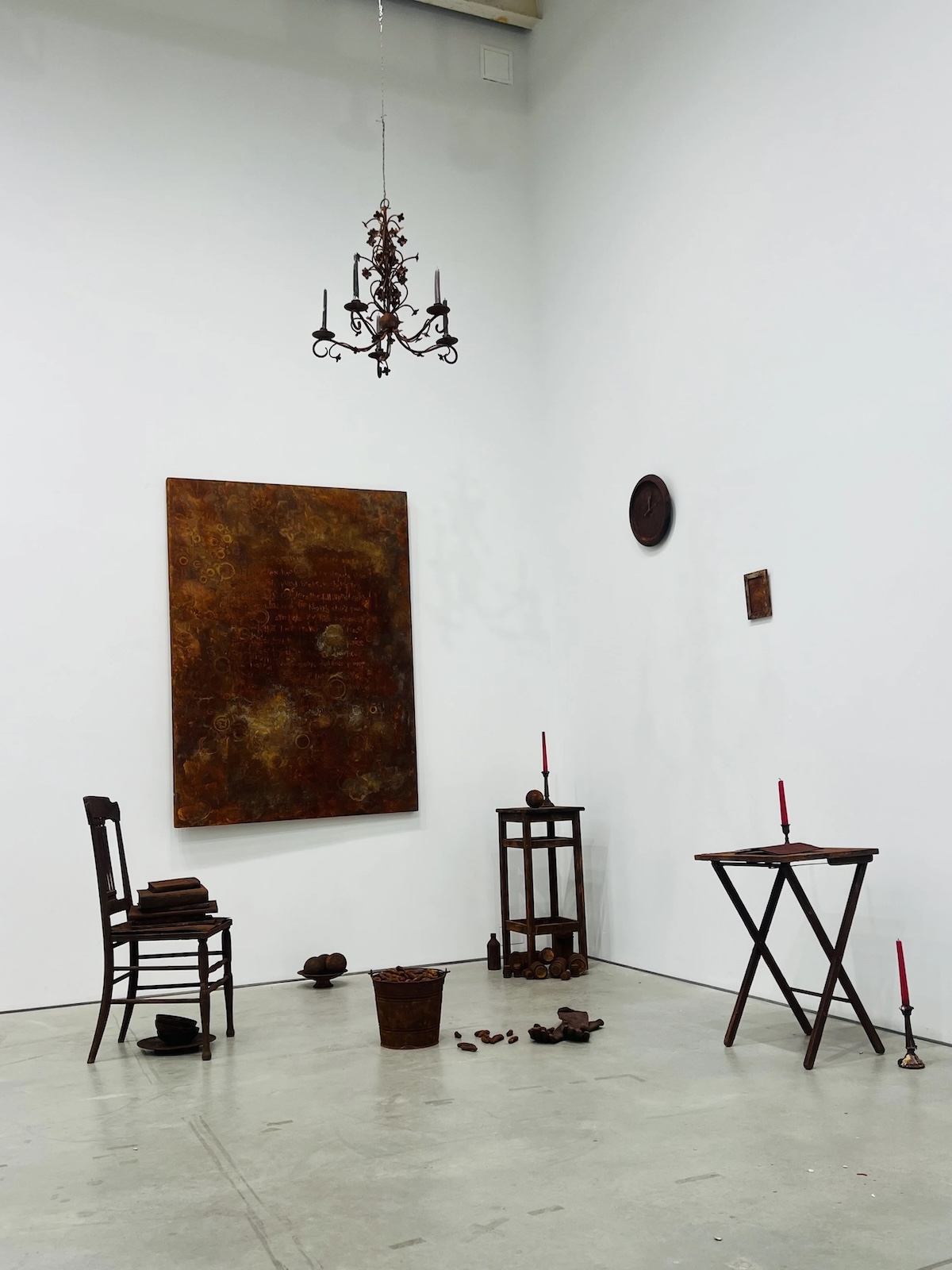
The show suggests that “shedding” can be an act of survival, an act of courage, or even an act of taste—choosing what no longer serves you and reworking it into something newly articulate. Rutkowski notes she has worked with many of these artists before while also bringing in “new gifted ones,” and that blend matters. It implies a community of practice rather than a one-off grouping—artists connected through shared seriousness about material, about making, about the stubborn poetry of objects that have already lived a life.
Most of all, (SHED) MY SKIN aims for an emotional takeaway that feels refreshingly un-cynical. Rutkowski’s stated goal is that viewers “will feel the presence of endless possibilities and take it away with them into their lives.” In a moment when so much cultural commentary defaults to collapse, (SHED) MY SKIN offers an alternative: not denial, but conversion—the belief that what’s worn out can still become radiant, and that transformation isn’t a single event but a practice we return to again and again.
Discover more from artsXhibit
Subscribe to get the latest posts sent to your email.