
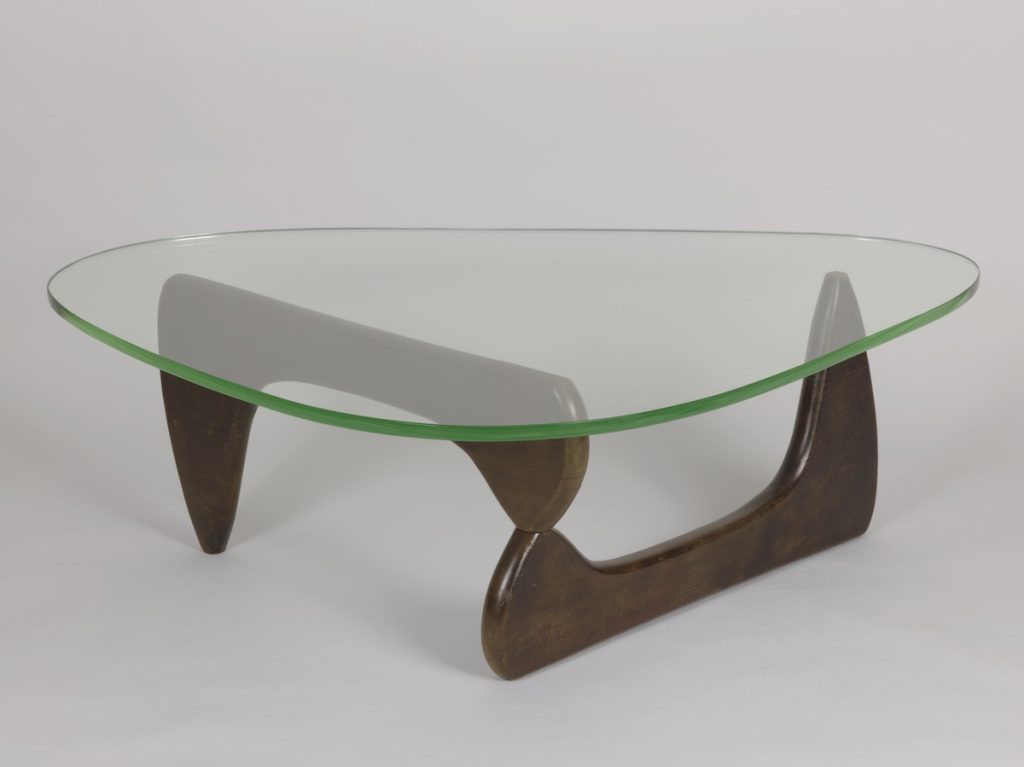
Noguchi to Asawa: Designing Postwar America opens at the Barnes Foundation on September 20, 2026, and runs through January 10, 2027, in the Roberts Gallery. Conceived and curated by Cindy Kang, the exhibition is the first to explore how the forced relocation and incarceration of Japanese Americans during World War II formed a foundation for modern art and design in the United States. Noguchi to Asawa at the Barnes brings together sculpture, furniture, fiber art, and graphic design by six artists whose work shaped the aesthetic landscape of midcentury America — Isamu Noguchi, George Nakashima, Leo Amino, S. Neil Fujita, Kay Sekimachi, and Ruth Asawa.
Two Generations of Artists in Noguchi to Asawa at the Barnes
Noguchi to Asawa at the Barnes juxtaposes two generations of artists affected by incarceration. The elder generation — Isamu Noguchi, George Nakashima, and Leo Amino — had established their practices before Executive Order 9066 sent Japanese Americans to camps in February 1942, fundamentally redirecting their careers. Noguchi voluntarily entered the Poston War Relocation Center in Arizona to organize art programs and design recreational spaces. Nakashima was incarcerated at Minidoka, Idaho, and later resettled in New Hope, Pennsylvania, where he built the furniture workshop that became a landmark of American studio craft. Amino, born in Taiwan under Japanese colonial rule, served as a Navy translator and pioneered plastic as a sculptural medium after the war.
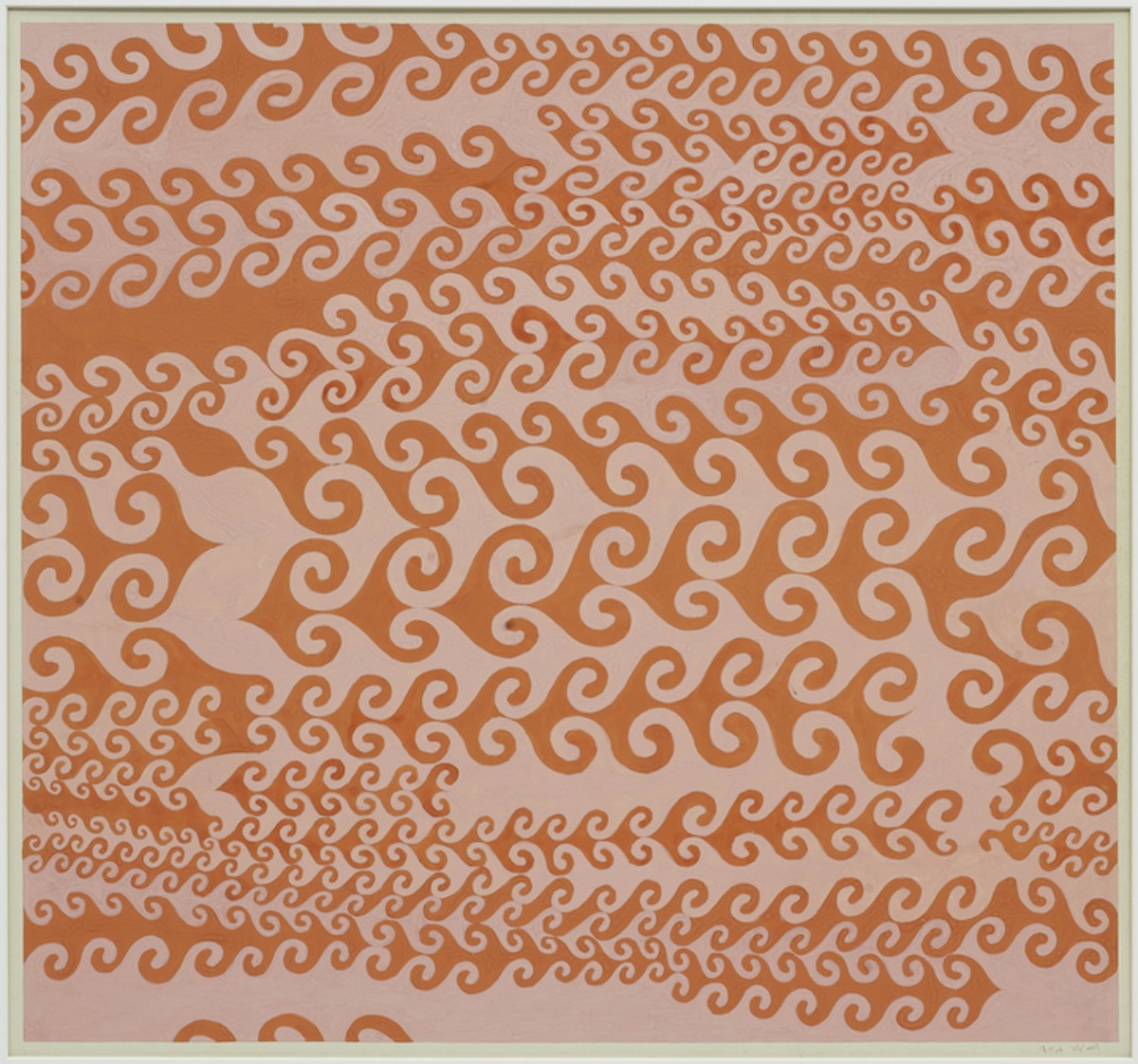
The younger generation — S. Neil Fujita, Kay Sekimachi, and Ruth Asawa — received their early artistic training in the camps through impromptu schools organized by incarcerated artists. Fujita, incarcerated at Heart Mountain, Wyoming, went on to become art director at Columbia Records, designing the cover for Dave Brubeck’s Time Out and the logotype for The Godfather.
Sekimachi, incarcerated at Topaz, Utah, became known for three-dimensional monofilament hangings that explored visibility and invisibility. Asawa, incarcerated at Rohwer, Arkansas, studied at Black Mountain College under Josef Albers and R. Buckminster Fuller and developed her signature looped-wire sculptures. The contemporary art world continues to reckon with histories of displacement and identity, and Noguchi to Asawa at the Barnes traces that conversation to its midcentury roots.
Key Works in Noguchi to Asawa at the Barnes
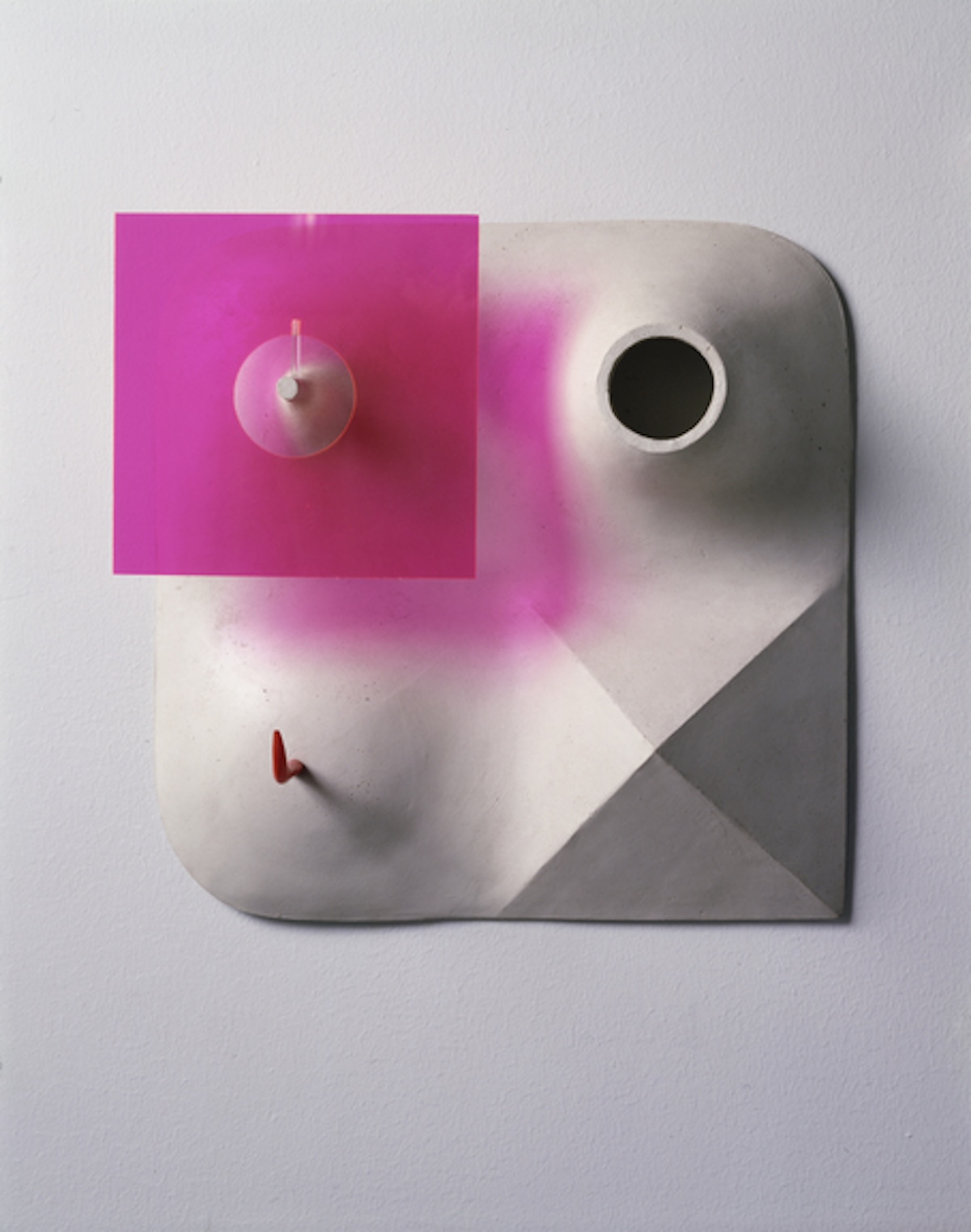
The exhibition highlights include Noguchi’s My Arizona (1943), a sculpture reflecting on his seven months at Poston with a stark white base and a suspended magenta plexiglass square evoking the desert sun. Nakashima’s Milk House Coffee Table (1944) — one of the first pieces he made after leaving Minidoka, built from teak planks a friend had kept for him in Washington state — tangibly embodies his journey of displacement and resettlement.
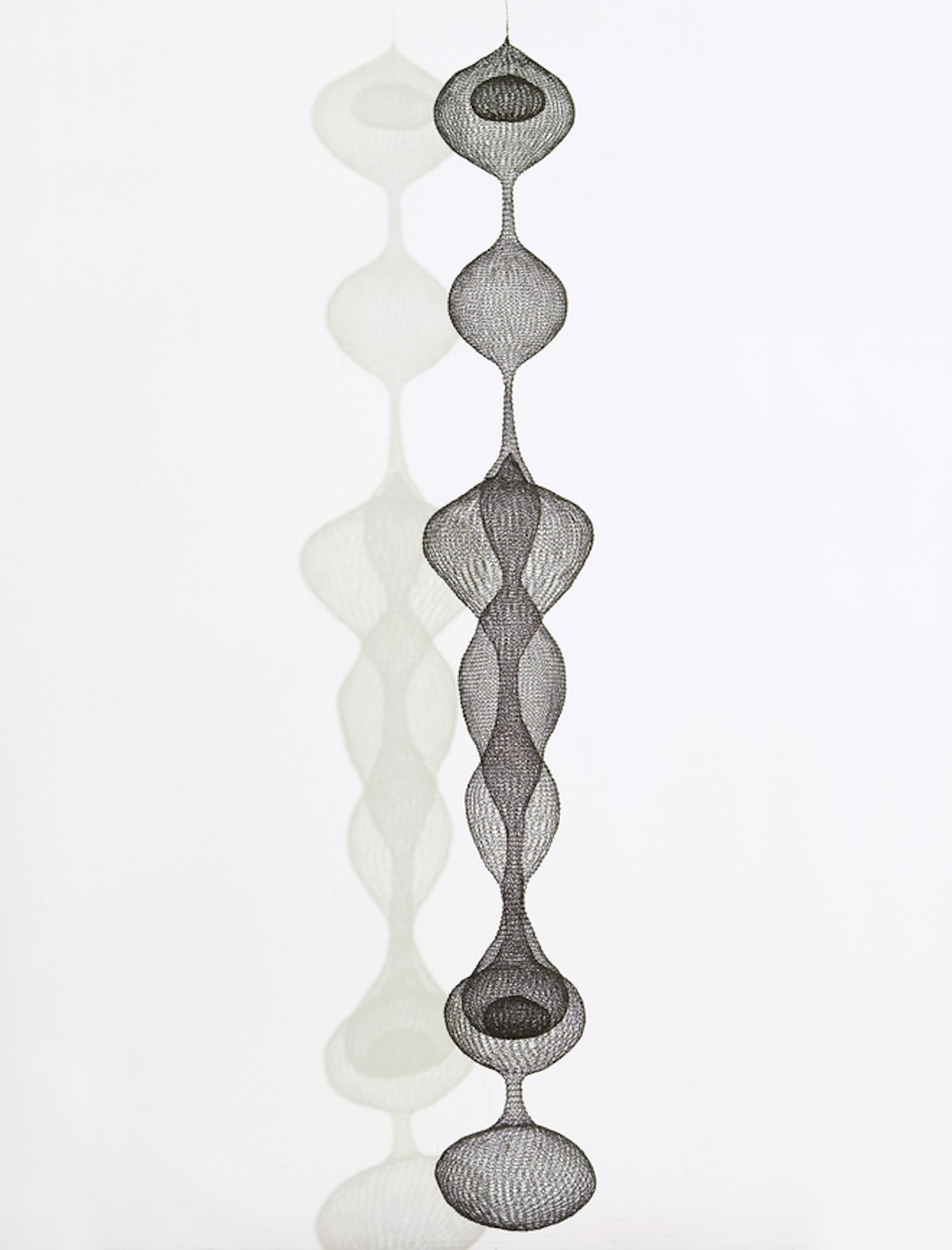
Asawa’s Untitled (S.272), a virtuosic multi-lobed wire sculpture from circa 1954, connects to both the barbed wire of incarceration and broader histories of Asian labor in America. Fujita’s Time Out album cover (1959), Sekimachi’s diaphanous monofilament hanging Kunoyuki (c. 1968), and Amino’s intimate Refractional #47 (1969) round out a selection that demonstrates how deeply embedded Japanese American artistry became in everyday American life — from coffee tables to album covers, chairs to wallpaper.
Noguchi to Asawa: Designing Postwar America debuts on September 20, 2026, and runs through January 10, 2027, in the Roberts Gallery at the Barnes Foundation.
You may also like
-
“No Other Place to Go”—5 Artists Turn Climate Data Into Human Experience at InLiquid Gallery
-
Erik Spehn Strips the Ground Away in “Waves Become Wings”
-
Zoya Cherkassky’s American Cooking Turns a Vintage Cookbook Into a Study of Displacement
-
“Shimmer—Dreaming the Posthuman” Argues That Care, Not Extinction, Is the Point
-
“New Now IX” at InLiquid Gallery