
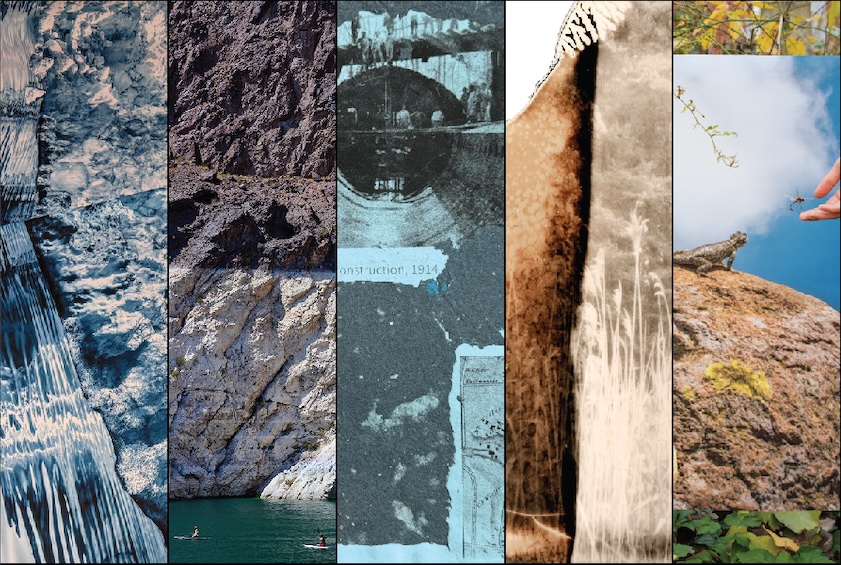
No Other Place to Go opens at InLiquid on September 4, bringing together five photographers whose work treats the camera as both evidence and expression in the face of environmental change. Curated in conjunction with the 20/20 Photo Festival, the exhibition runs through October 17 in the gallery’s South Kensington space, with public receptions September 10 and October 8, both 6 to 9 PM.
Anita Allyn, Richard Boutwell, Laura Krasnow, Kaitlin Pomerantz, and Emma Ressel each approach ecological loss from a different angle, but No Other Place to Go’s throughline is consistent: photography’s ability to turn scientific data and disappearing landscapes into something felt rather than simply observed. The exhibition frames evidence and emotion as complementary forms of knowledge rather than competing ones, letting facts and lived experience build the same argument from two directions.
“No Other Place to Go”—Ecological Loss, Investigated
Allyn’s new series, Nature, Assembled, folds photography together with living specimens, geological materials, and museum-style displays, examining how nature gets collected, classified, and represented in the first place, treating the apparatus of scientific display as a subject in its own right rather than a neutral backdrop.
Boutwell’s ongoing Reclamation: Deadpool series centers on Lake Mead, the nation’s largest reservoir, using the 160 to 180-foot white mineral “bathtub ring” left by the lake’s declining elevation as a stark visual record of a water system under strain, one that still sustains millions even as it disappears. The series draws a direct line from historical policy decisions to the scale of what’s now visible on the rock itself.
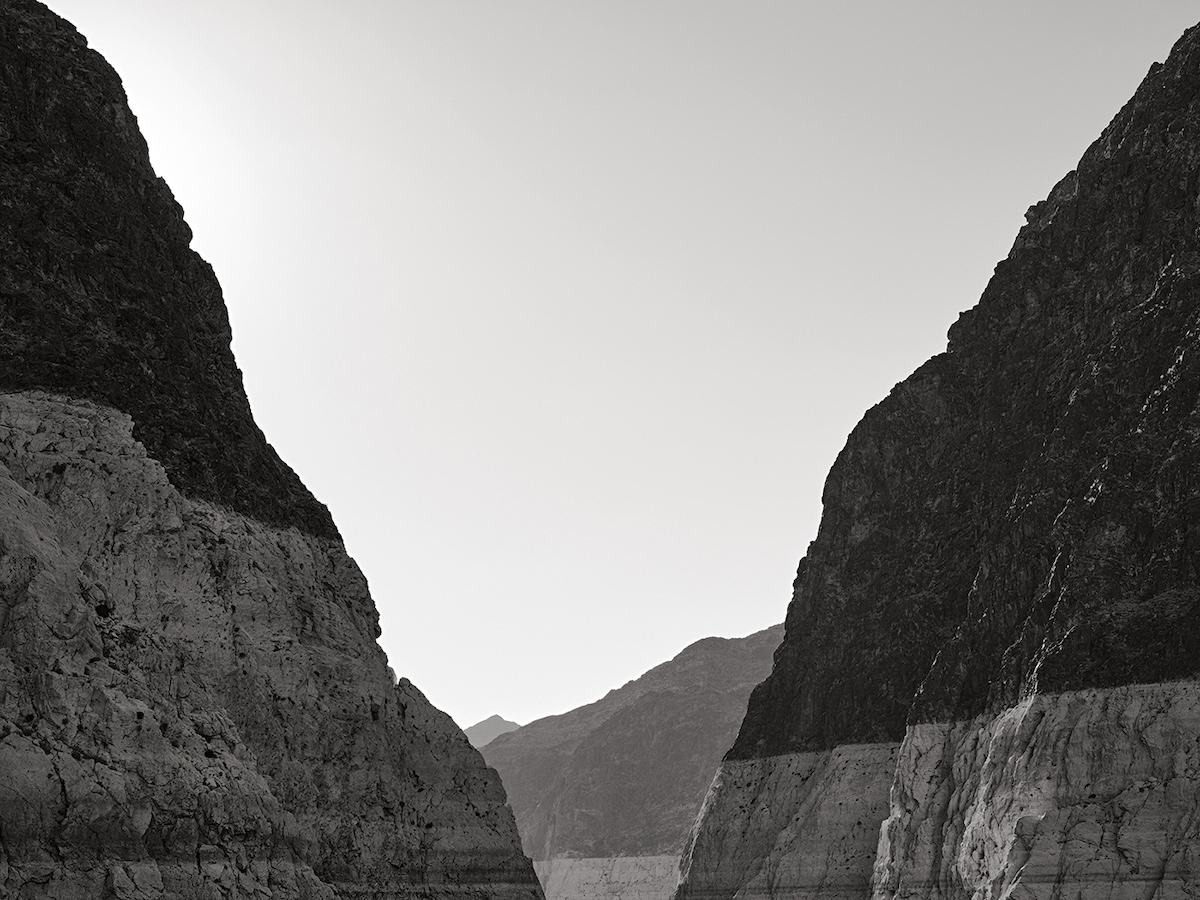
Left: Richard Boutwell “Boulder Canyon, Lake Mead, 2021”
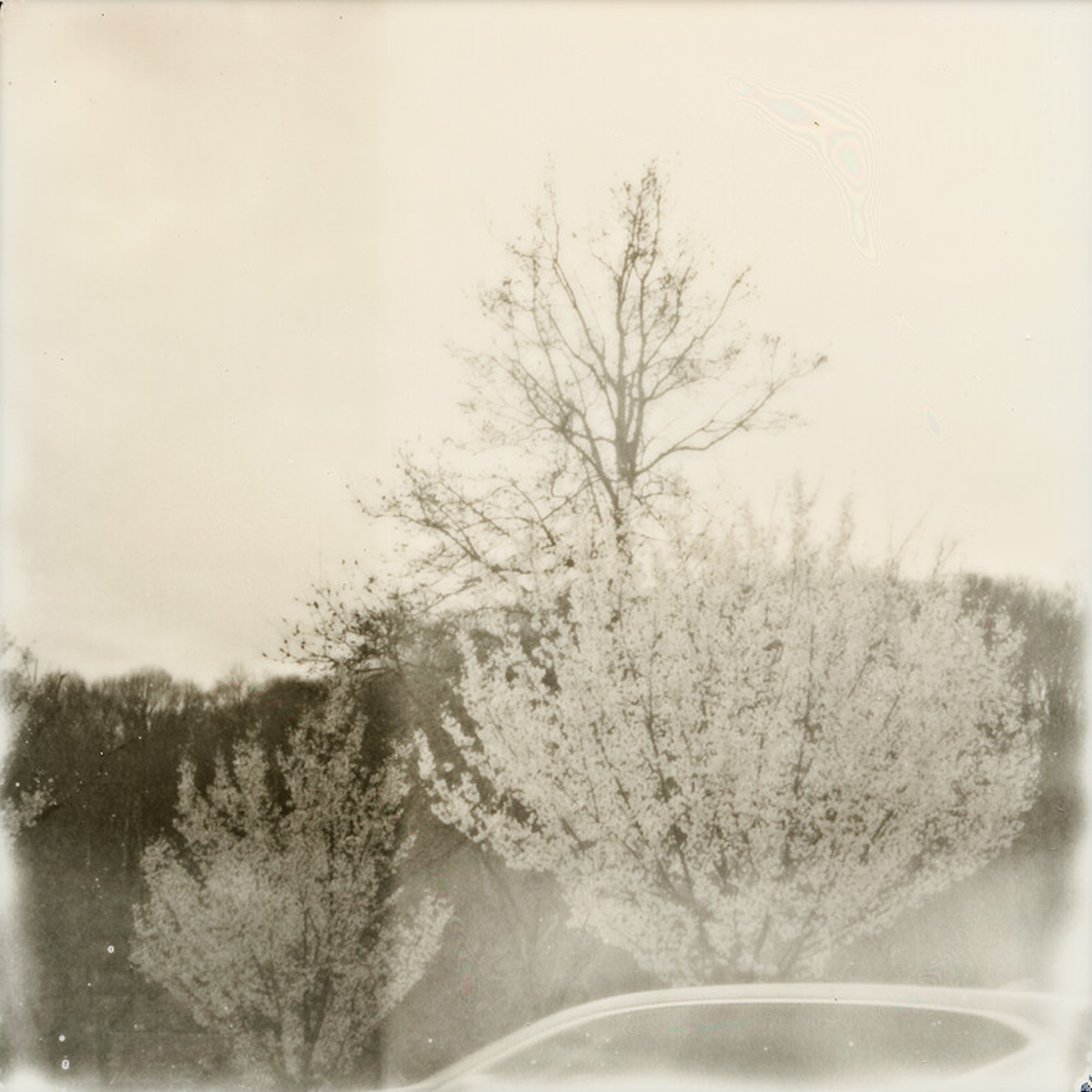
Right: Laura Krasnow “Undergrowth 5”
Krasnow’s And Then There Were None uses expired Polaroid film as its own argument, letting fading and distortion stand in for accelerating forest loss driven by agriculture, urban expansion, mining, and logging. As the medium visibly deteriorates, the images argue for urgency and permanence at once, landscapes already slipping toward memory even as they’re being photographed, with instability built into the material rather than added after the fact.
Pomerantz’s contribution maps Philadelphia’s own buried creeks, more than 300 miles of waterways reduced by over 80 percent since colonial settlement, combining maps, archival photographs, watermarks, and text drawn from Toni Morrison. As heavier rains increasingly overwhelm the city’s hardscape and sewer systems, her work poses the question directly: what would it look like for water to, in Morrison’s words, remember? And what gets forgotten in its wake?
Ressel closes the show with staged, diorama-style photographs built around taxidermied animals and fabricated flora, exploring Shifting Baseline Syndrome, the process by which each generation normalizes a slightly more degraded version of the natural world as its own baseline. Her work locates climate change as much in memory and expectation as in the land itself, treating perception as a casualty alongside the ecosystems being documented.
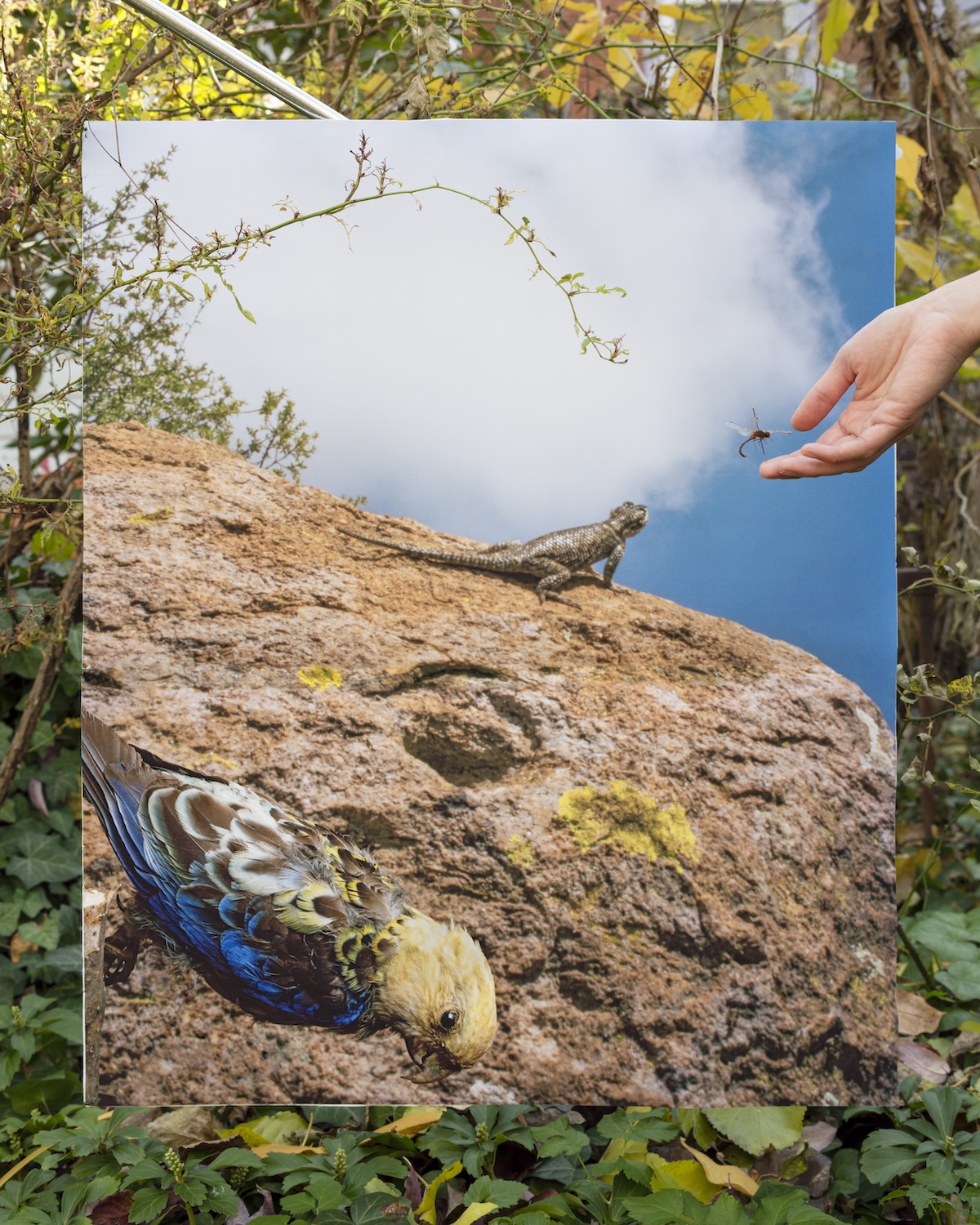
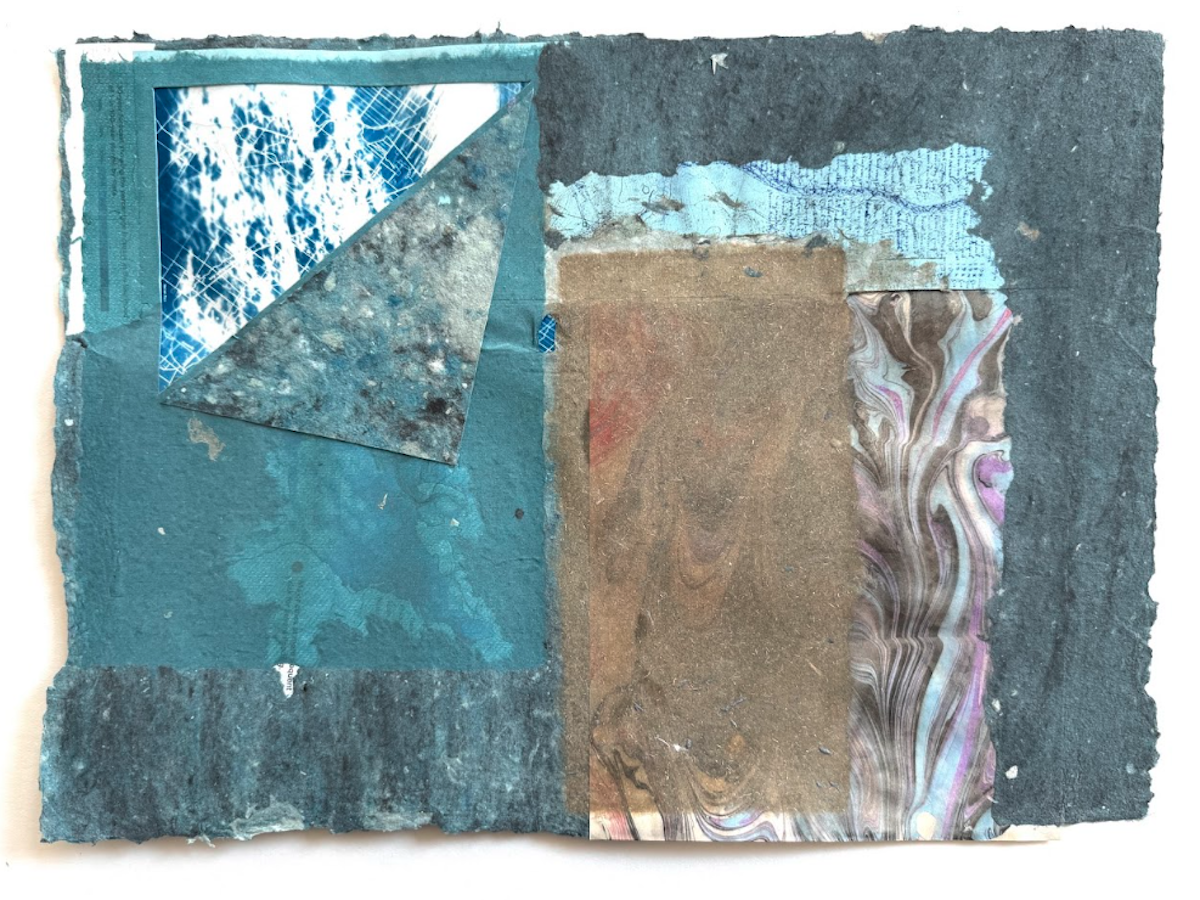
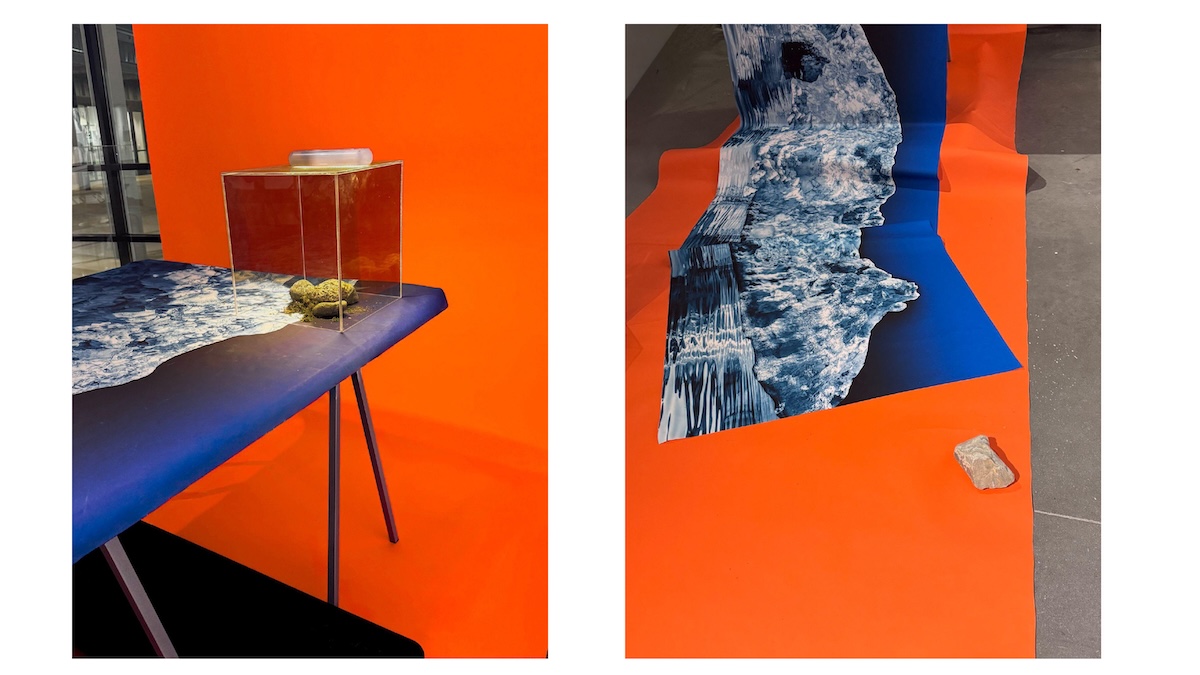
Clockwise from top left:
Bottom: Emma Ressel “Approximate Encounters”
Kaitlin Pomerantz “Likelihood (buried creeks series)”
Anita Allyn “Thin Ice”
No Other Place To Go follows InLiquid’s New Now IX as the gallery’s latest major show, continuing its pattern of using the space for work that treats environmental and social urgency as a subject worth sustained attention rather than a single moment. It also marks InLiquid’s most direct tie yet to the 20/20 Photo Festival, folding the gallery’s programming into a citywide conversation about what photography in Philadelphia is doing right now.
Pomerantz’s question about water and memory could stand in for the exhibition as a whole. What does No Other Place to Go ask its audience to remember, and what is it quietly asking them to let go of instead?
You may also like
-
Made Over Time Puts Two Half-Century Painting Practices in One Room
-
Erik Spehn Strips the Ground Away in “Waves Become Wings”
-
Zoya Cherkassky’s American Cooking Turns a Vintage Cookbook Into a Study of Displacement
-
“Shimmer—Dreaming the Posthuman” Argues That Care, Not Extinction, Is the Point
-
“New Now IX” at InLiquid Gallery