

Evanescence: We Are All Still Fading is the second solo exhibition by Neil Anthony Edwards at Morton Contemporary Gallery in Philadelphia, on view November 14 through December 6, 2026. The former NBA player’s new paintings move from the 1910s to the 1960s and close on Rocky Balboa and LeBron James.
Evanescence: We Are All Still Fading Widens the Lens
His first show, WE ARE ALL FADING, stayed with a single era, and the gallery says it sold out. Evanescence: We Are All Still Fading spreads across generations instead. The canvases are larger this year and the palettes more varied, according to the gallery.
The title carries its own definition. Evanescence is the quality of lasting only a short time before fading, disappearing or being forgotten, and the “still” in the title is the point: the fading goes on, and so does the living.
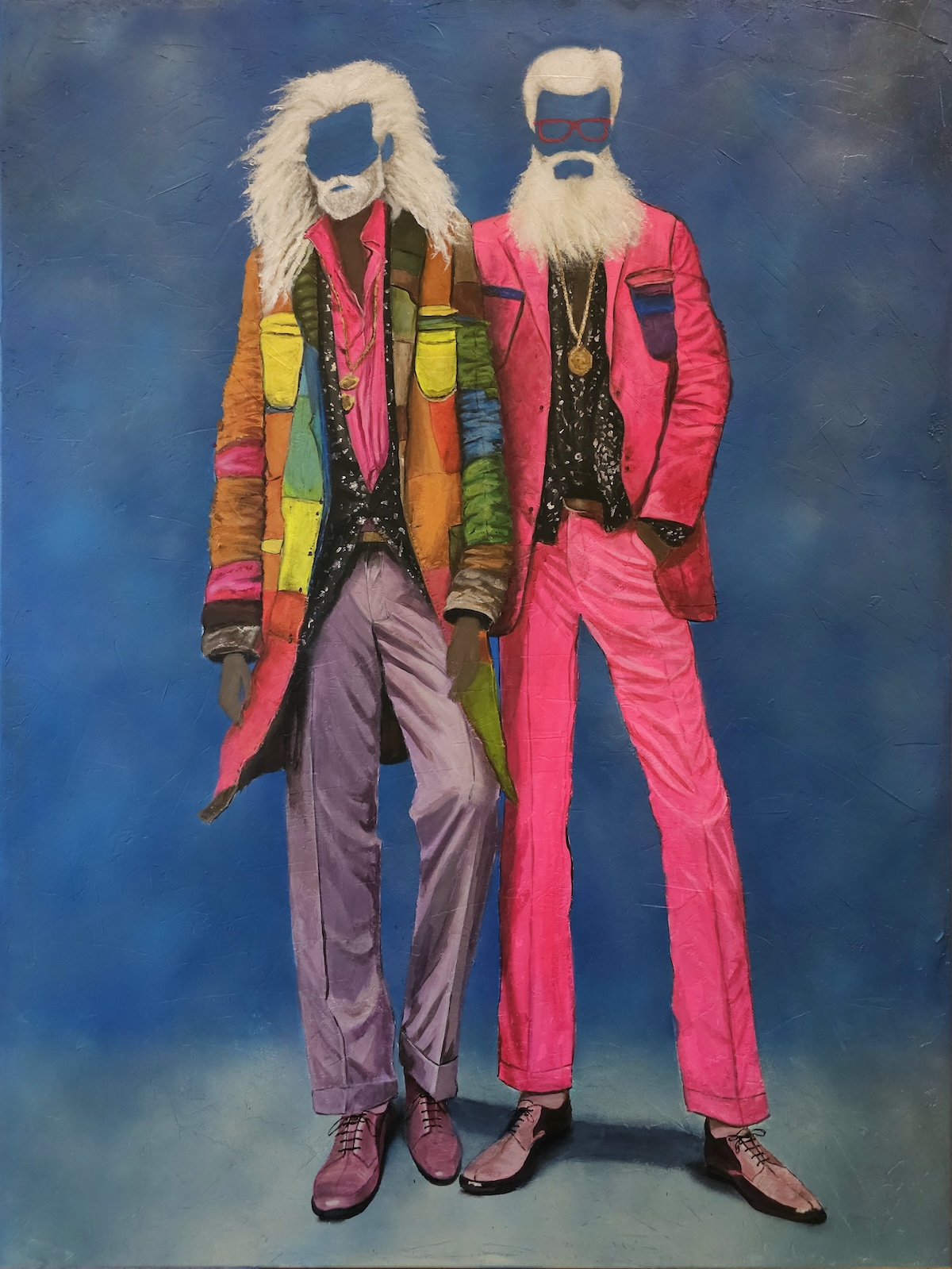
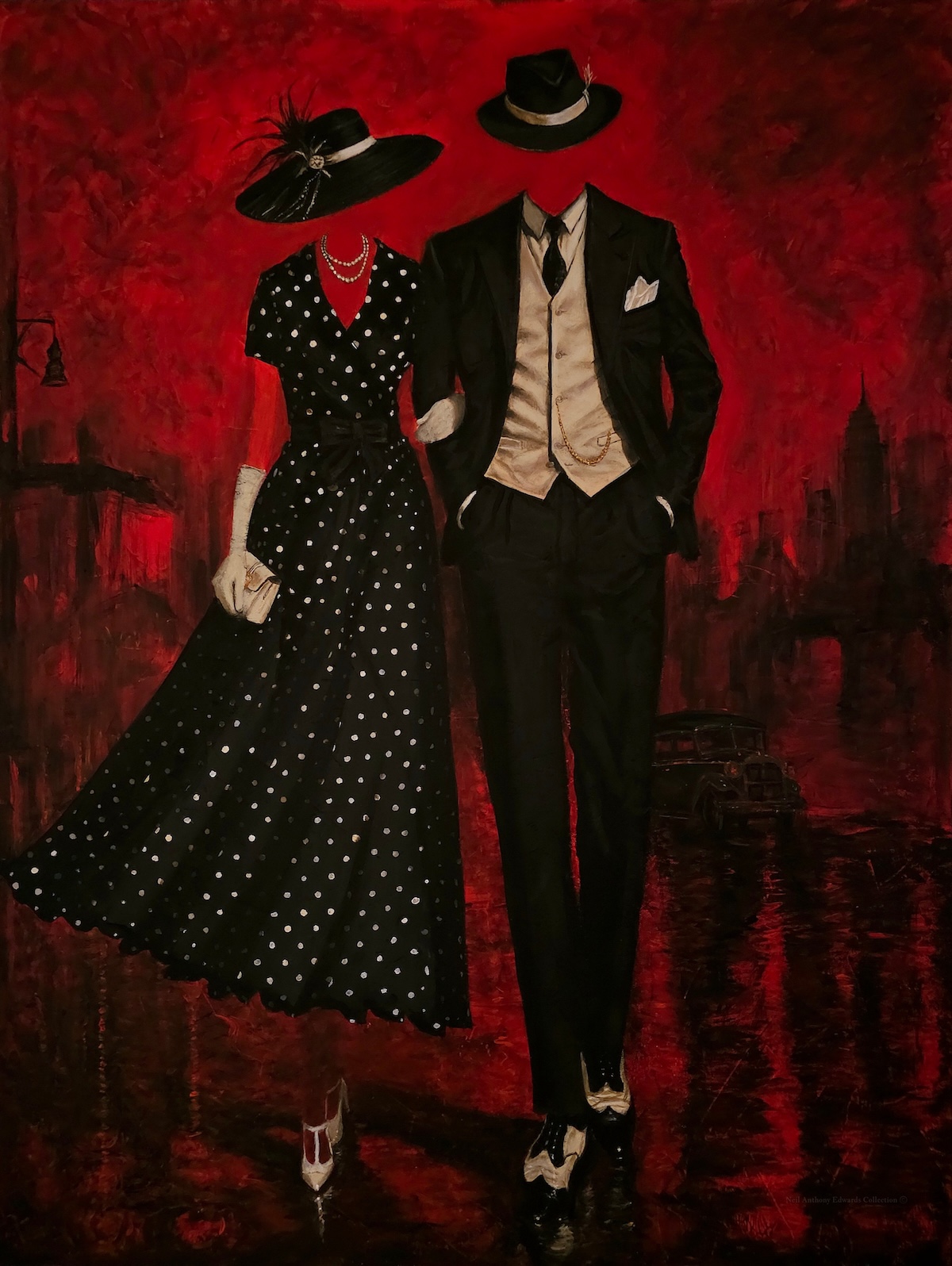
Evanescence: We Are All Still Fading at Morton Contemporary
A VIP opening reception takes place Saturday, November 14, from 5 to 8 p.m. at 115 S. 13th Street, with the artist attending. Guests can RSVP through the gallery’s reception page, by emailing Debbie@MortonContemporary.com or by calling 215-805-1667.
Morton is an award-winning gallery with two Philadelphia locations, and its collection runs from original canvases to sculpture, mixed media, photography and limited-edition giclées. Edwards studied at the High School for Art and Design and at Stony Brook University, and the release says he was drafted and played for the Los Angeles Clippers before playing in China, Lebanon, Venezuela and Italy.
Evanescence: We Are All Still Fading Treats Fashion as a Language
The gallery lists the tailored elegance of the 1910s, the daring glamour of the 1920s and the bold cool of the 1960s, shown together. Each decade answers the one before, which makes the group read less like a set of snapshots than a family album for a whole culture.
That is a sensible way to hang a show about time, because clothing dates a person faster than a face does. Edwards’s figures have no faces at all. He says they are not one person. They are everyone.
Edwards calls the FADING series fundamentally about shared human experience, the awareness that right now will eventually become a memory. Evanescence: We Are All Still Fading is a sequel in subject as well as title. The people we love will change, bodies will change, and even names turn into stories told by whoever remembers us.
His statement is a run of instructions, from taking the trip to forgiving someone, that ends on a plain claim: “life’s impermanence is exactly what makes it precious,” in his words. The gallery describes luminous, oversized figures built from translucent color and unorthodox mark-making, with edges that soften as if turning into memory.
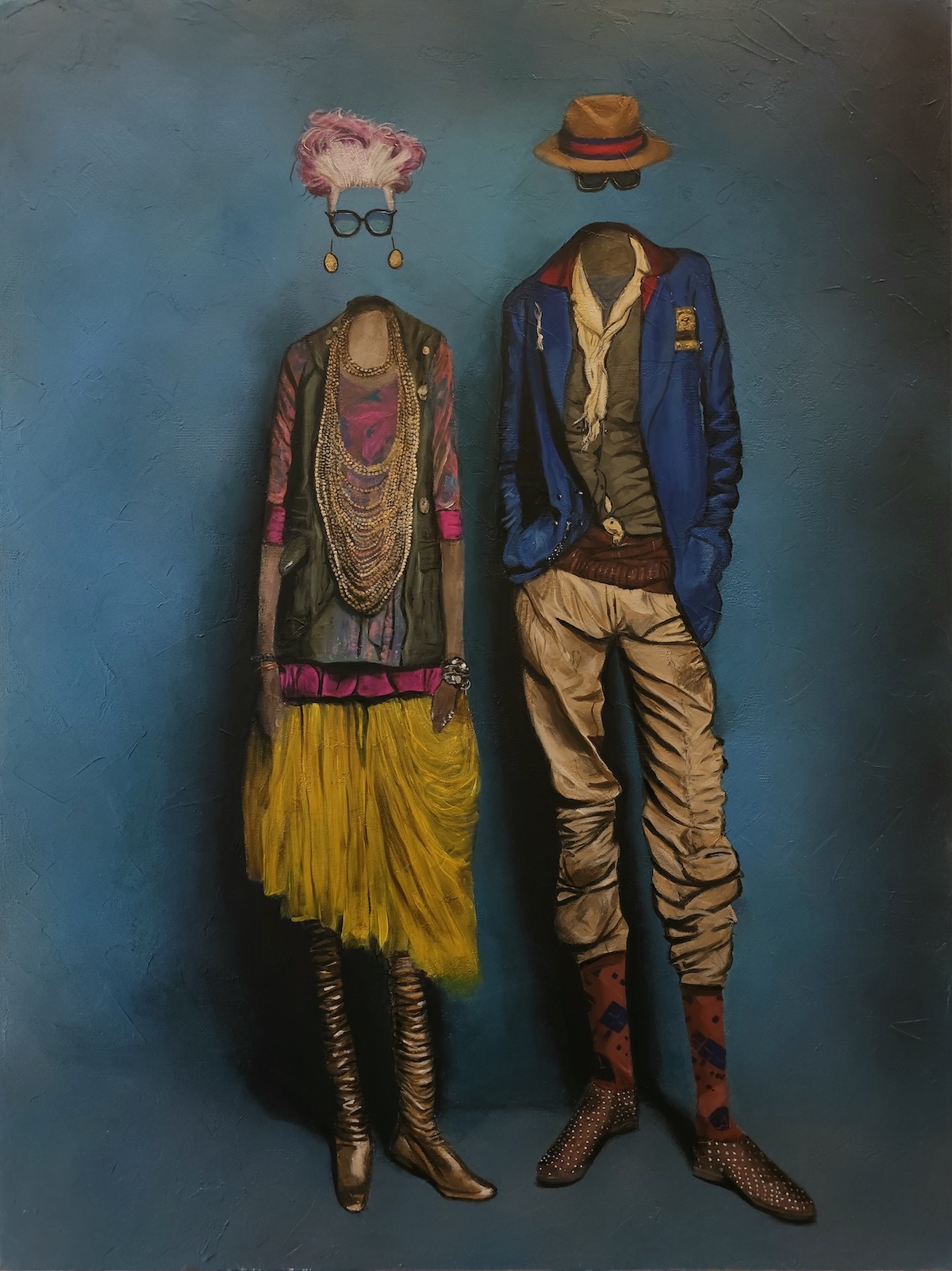
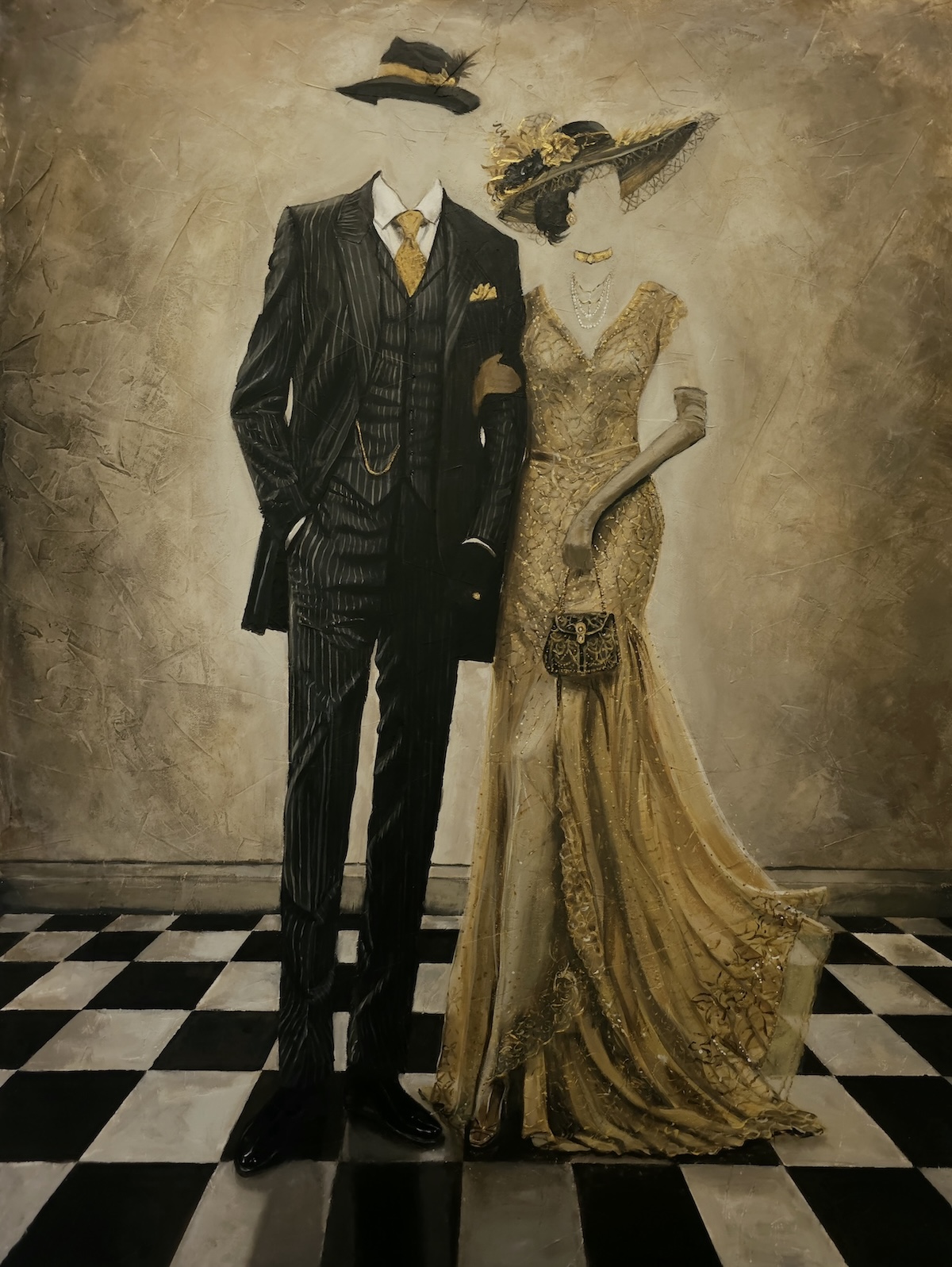
Evanescence: We Are All Still Fading Closes on Rocky and LeBron James
The final stretch moves into living memory. Rocky, the underdog who made the steps of the Philadelphia Museum of Art famous, brings the show back to the city, and the museum made the character a centerpiece of its own 2026 exhibition season.
LeBron James is the present-day bookend, and the gallery notes that he is painted by someone who knows firsthand what it takes to compete at the highest level. In Evanescence: We Are All Still Fading, the painter has played where his subject plays.
The gallery says legacy is earned rather than only handed down, round by round and season by season. An artist who spent years playing professionally and traveling for it has a clear claim to paint that idea, and the pairing gives the exhibition an argument as well as a fashion history.
A faceless figure leaves the viewer to supply the missing person, which is where a show about memory gets tested. The paintings will have to carry whoever you bring to them, and the open question is who that turns out to be.
You may also like
-
Made Over Time Puts Two Half-Century Painting Practices in One Room
-
“No Other Place to Go”—5 Artists Turn Climate Data Into Human Experience at InLiquid Gallery
-
Erik Spehn Strips the Ground Away in “Waves Become Wings”
-
Zoya Cherkassky’s American Cooking Turns a Vintage Cookbook Into a Study of Displacement
-
“Shimmer—Dreaming the Posthuman” Argues That Care, Not Extinction, Is the Point