
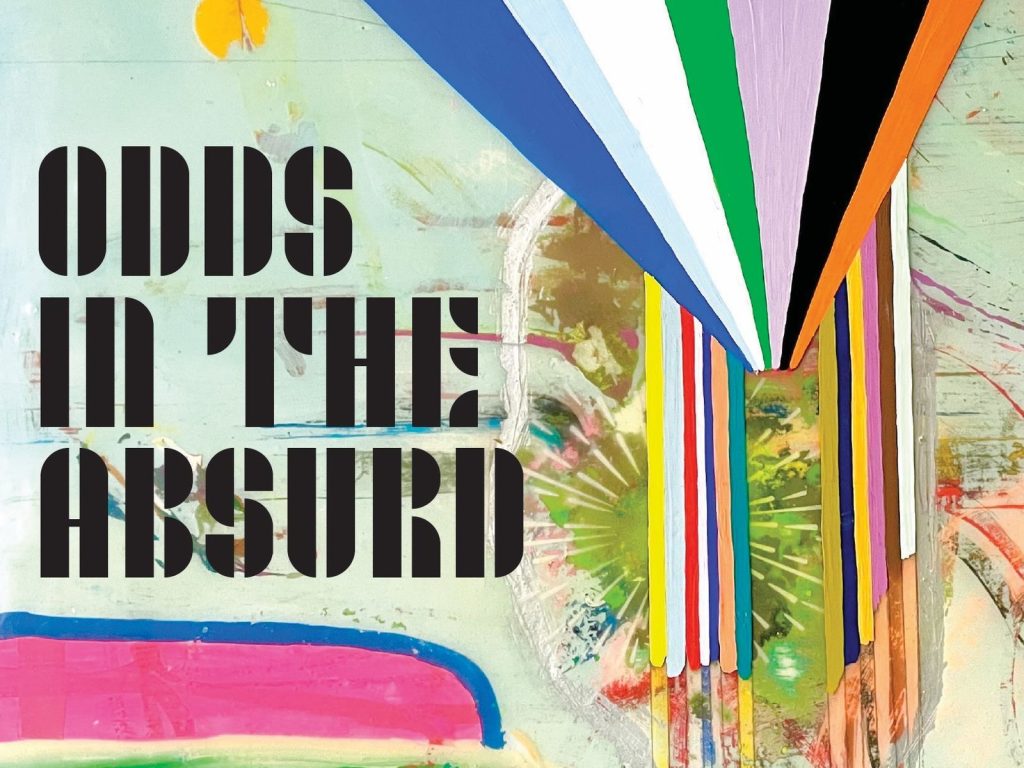
Odds in the Absurd asks a question that is more than a century old and still gets a reaction: Is this art? The InLiquid exhibition opens October 16 at Park Towne Place on the Benjamin Franklin Parkway and runs through January 26, 2027. Six InLiquid member artists work in the spirit of Dada and post-Dada surrealism, and they treat the question as something to affirm, not settle.
What Odds in the Absurd Takes From Dada
Dada began in the early 20th century as a response to World War I, and Marcel Duchamp’s ready-mades came out of it, challenging ideas of art that people still argue about. Odds in the Absurd reads that history through a contemporary lens. In some cases the artists are directly inspired by Duchamp. Their tools are collaboration, repetition, the ready-made, curiosity and a rejection of taste.
It is a good premise for a group show, because Dada was never a style. It was a way of behaving toward art, and a way of behaving can travel across painting, sculpture, performance and photography without losing its edge. The six artists in Odds in the Absurd prove the point by looking nothing alike.
Painting Time in Odds in the Absurd
Lisa Baird, who also directs The Hook Experiment in Oxford, Pennsylvania, paints memory as a living process. Her subject, she says, is time. Weddings recur in her work because they are among the most photographed moments in a life, and The Wedding Photographer (2026) layers rooms, photographs and screens until generations share one space.
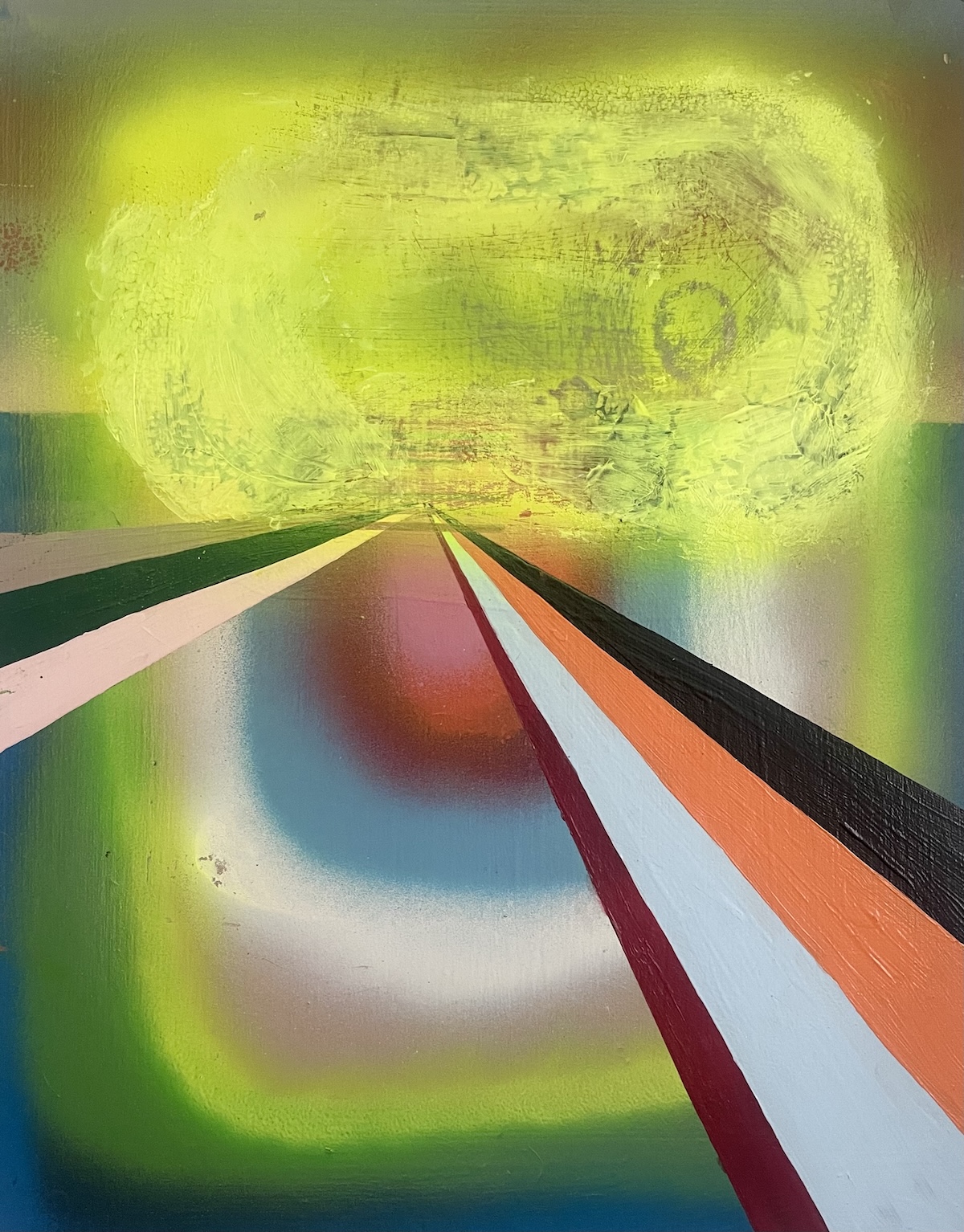
Kellianne McCarthy paints in oil, acrylic and collage on wood panels, and her influences run from Peter Max to Renaissance altarpieces. Her piece, a beautiful day in the solar system (2020), has the stripes, flowers and saturated color she describes as strange, opulent worlds. She studied painting at Moore College of Art and Design and is a working nurse.
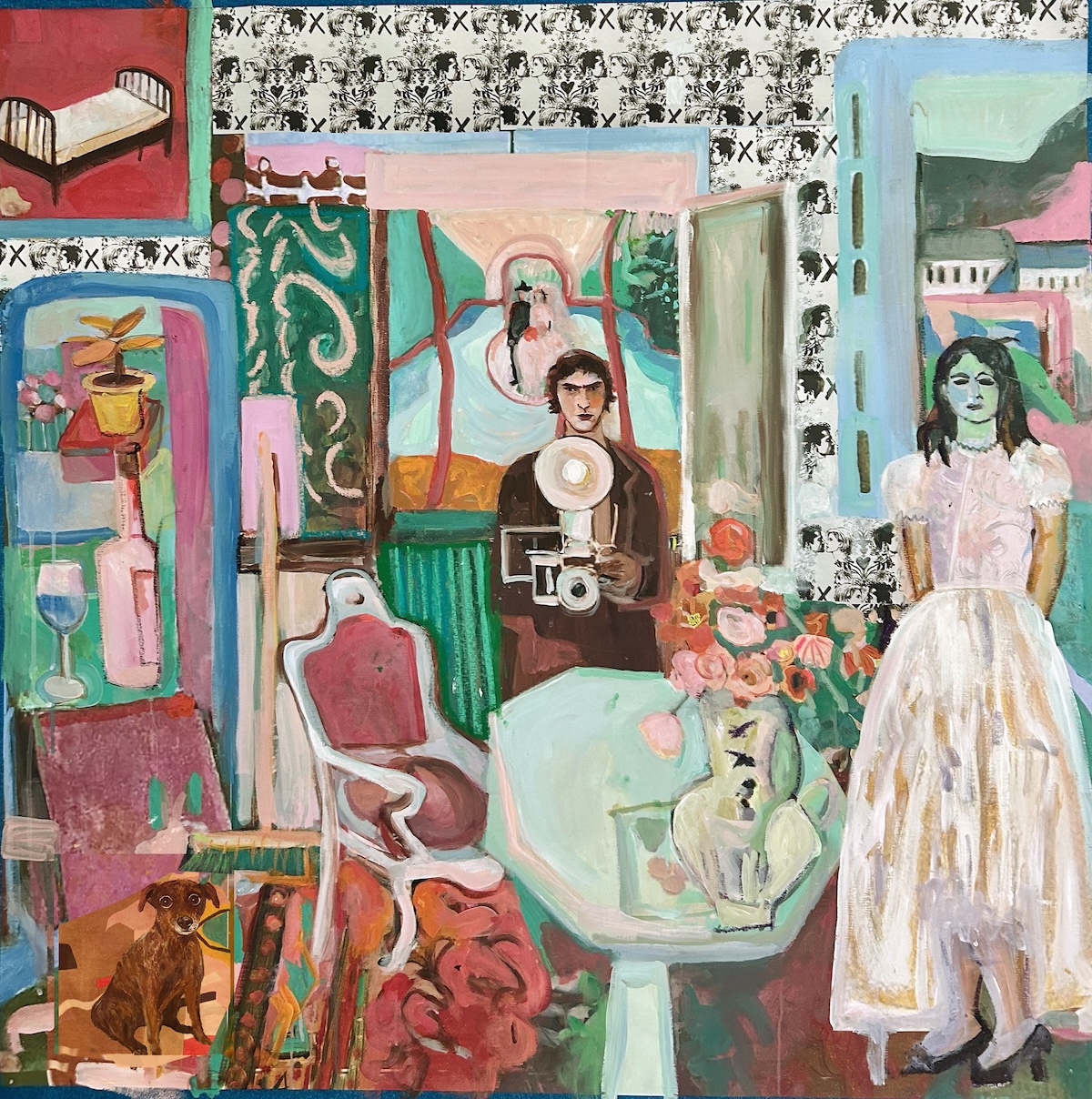
Lisa Baird “The Wedding Photographer”
Kellianne McCarthy “Waving Sunbeams in the Air”
Symbols and Sidewalks in Odds in the Absurd
Alex Bard calls up archetypes. Born and based in Philadelphia, he trained at the University of the Arts and the Maryland Institute College of Art, and his costume, sculpture, performance and film aim at symbols that cross cultural lines. His entry is Exhale (2026), and his work is in the Pennsylvania National Guard Museum and the Episcopal Cathedral.
Howard Brunner works without a program. He walks the city, photographs what catches him and says the practice has become a kind of meditation. After 31 years teaching photography at the Art Institute of Philadelphia, he shows images that are, in his words, provisional and improvisational, and that sit in collections from the Philadelphia Museum of Art to Brazil.
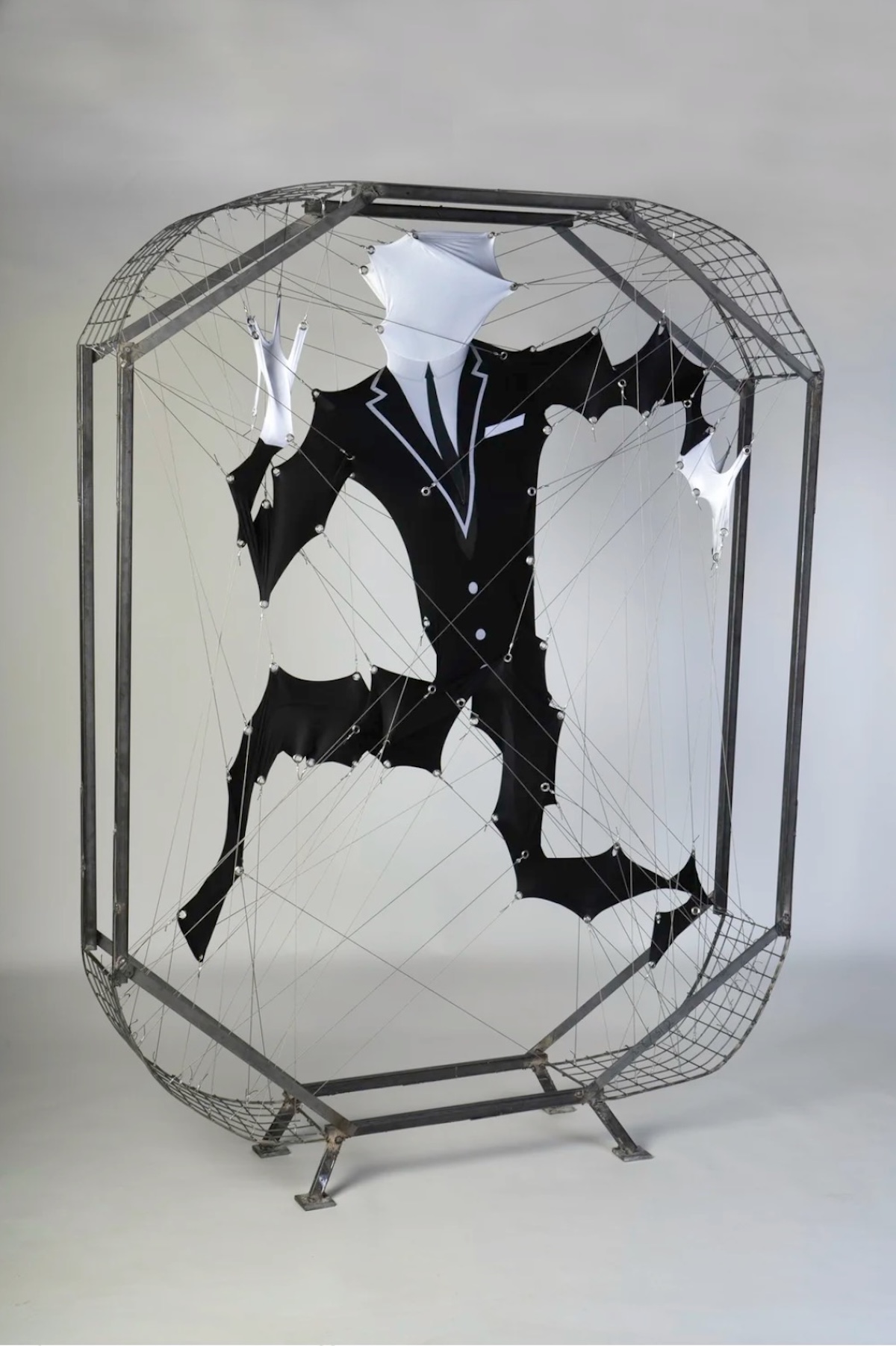
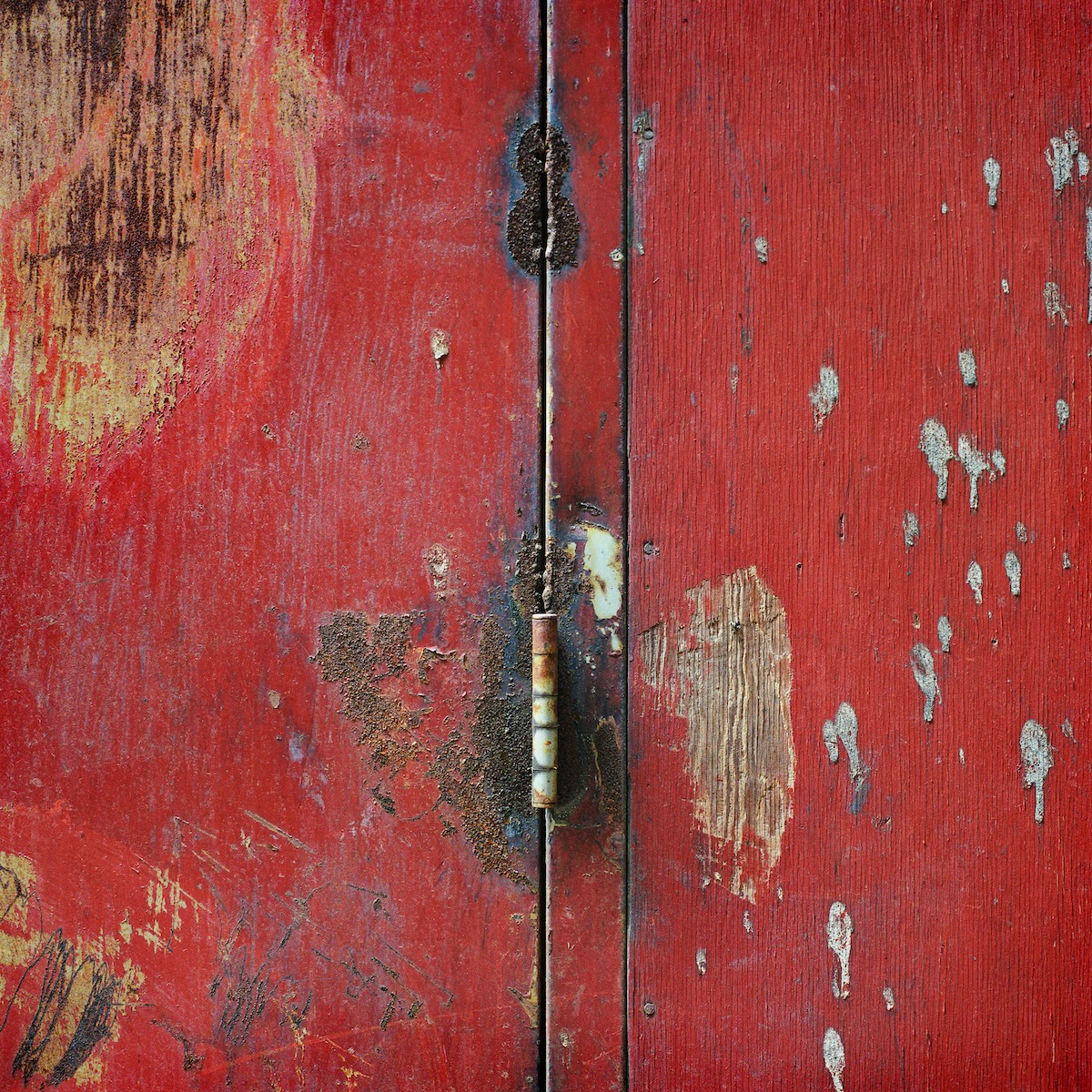
Alex Bard “Your Best Table for Two”
Howard Brunner “2002-13-11”
Odds in the Absurd and the Distributed Ready-Made
The artist most likely to start an argument is williamCromar, who directs the Penn State Abington College MakerSpace. His project, Prêt à Faire, reconstructs Duchamp’s ready-mades as 3D models from open-access historical data. The piece on view is Model of Marcel Duchamp’s Why Not Sneeze, Rose Sélavy (2025), and the release adds that he has also modeled and printed Fountain.
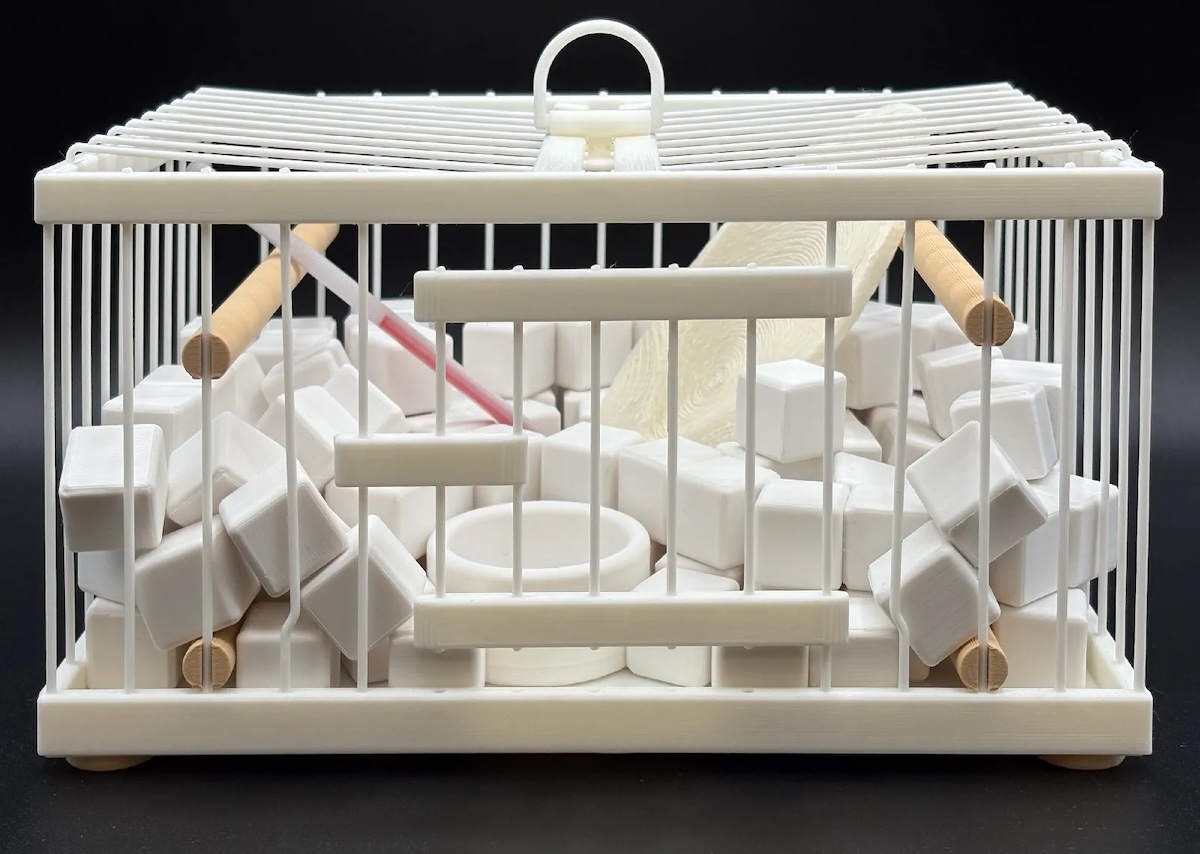
williamCromar “Model of Marcel Duchamp’s Why Not Sneeze, Rose”
His statement is blunt: the sculptures on the pedestal are not unique artifacts, and the true artwork is distributing the files. Open models are free to download under a Creative Commons license, while premium tiers are sold elsewhere. The project is independent of the Duchamp estate and asks that each piece be cited as a Model of Marcel Duchamp’s work by williamCromar.
Jake Jacob, a Philadelphia designer who founded Collage Philadelphia in 2022, takes the opposite road. His collage, assemblage and painting sit between Dadaism and commercialism. Be Kind to Yourself (2026) comes with a gentle line, “the first kindness we owe is to ourselves,” and a second work, Five Promises, looks at the American Dream through five ordinary objects.
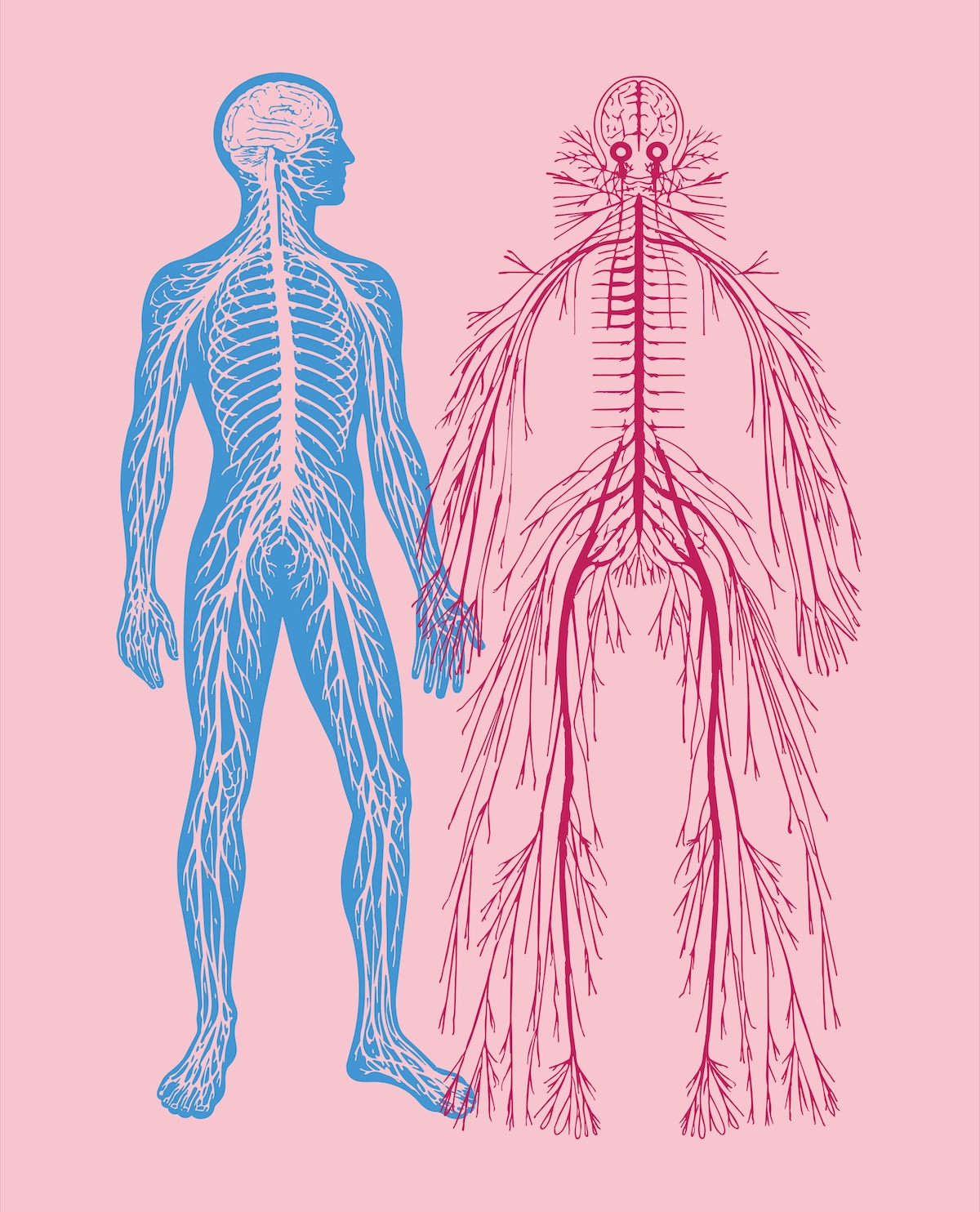
Jake Jacob “Be Kind to Yourself”
Odds in the Absurd Beside the Duchamp Retrospective
The calendar helps here. The Philadelphia Museum of Art opened its Duchamp retrospective on October 10, and it runs through January 31, 2027, and the museum show makes a career-wide argument. Odds in the Absurd has six living artists answering the same man.
Seen together, the two shows ask a sharper question than either one does alone. If a ready-made becomes art because an artist chooses it, what happens when a printer can reproduce the choice from open data? Cromar’s models sit exactly on that line.
Visiting Odds in the Absurd
The galleries are in the South Tower of Park Towne Place, 2200 Benjamin Franklin Parkway. A free opening reception takes place Tuesday, October 27, from 6 to 8 p.m. RSVP is required.
Where Odds in the Absurd Leaves the Question
If Dada taught artists that the question could be the work, the next question is how far that idea can stretch. What does a ready-made mean when anyone can print one? Which of these six will set the terms for the next hundred years of absurdity, and will the answer arrive in a gallery, a studio or a file someone downloads?
You may also like
-
Neil Anthony Edwards Traces Fashion From the 1910s to LeBron at Morton Contemporary
-
Made Over Time Puts Two Half-Century Painting Practices in One Room
-
“No Other Place to Go”—5 Artists Turn Climate Data Into Human Experience at InLiquid Gallery
-
Erik Spehn Strips the Ground Away in “Waves Become Wings”
-
Zoya Cherkassky’s American Cooking Turns a Vintage Cookbook Into a Study of Displacement