
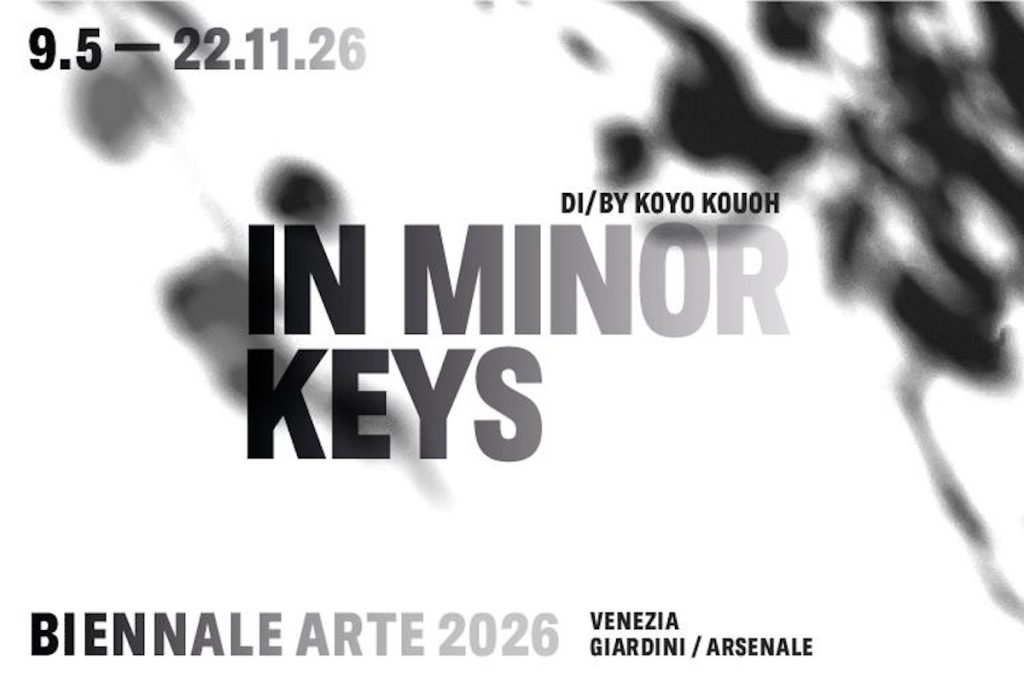
The Venice Biennale 2026 — the 61st International Art Exhibition of La Biennale di Venezia — opened to the public on May 9 carrying more weight than any edition in recent memory. In Minor Keys — conceived, titled, and substantially organized by Koyo Kouoh before her death from cancer in May 2025 — arrived at the Giardini and Arsenale as a completed curatorial argument rather than an interrupted one. Her team, distributed across London, Dakar, Berlin, Beirut, Marseille, Cape Town, and New York, carried the exhibition across the finish line. The result is a Biennale that doesn’t read like a tribute to a lost curator. It reads like the show she built.
The title’s framing is precise. In music, minor keys carry associations of melancholy and strangeness — but Kouoh’s framing insists on their less-cited registers too: joy, solace, hope, transcendence. The 110 invited participants, drawn from geographies as varied as Salvador, Dakar, San Juan, Beirut, Paris, and Nashville, were selected for what Kouoh described as resonances and affinities across practices — a curatorial instinct also visible in recent international group exhibitions, even when geographically distant. The connective tissue is not national identity or medium — it is a shared orientation toward what art can do that other forms of public discourse cannot.
Venice Biennale 2026 In Minor Keys: What the Exhibition Is Actually Arguing
Kouoh’s curatorial statement, written before her death and carried forward intact by her team, makes an explicit argument against what she called “the enduring time of capital and empire” — the conditions that dismissed local, Indigenous, and terrestrial knowledge as marginal, and reduced artistic practice to decoration or devotional ritual.
In Minor Keys is positioned as a counter to that reduction: a Biennale grounded in the belief that artists are “vital interpreters of the social and psychic condition.” That language is not curatorial boilerplate. Coming from a curator who spent her career building institutional space for African and diasporic art practices at institutions where that space had previously not existed — most recently as Executive Director of the Zeitz MOCAA in Cape Town — it is a position with a biography behind it.
The exhibition runs across the Giardini and the Arsenale, with additional presentations at Forte Marghera and in various locations across Venice. One hundred national pavilions accompany the main exhibition — Iran is absent this year, having declined to participate. The Golden Lions for Lifetime Achievement will not be awarded; Kouoh was unable to finalize those selections before her death, and La Biennale chose not to appoint them posthumously.
Venice Biennale 2026: The Broader Significance of a Posthumous Edition
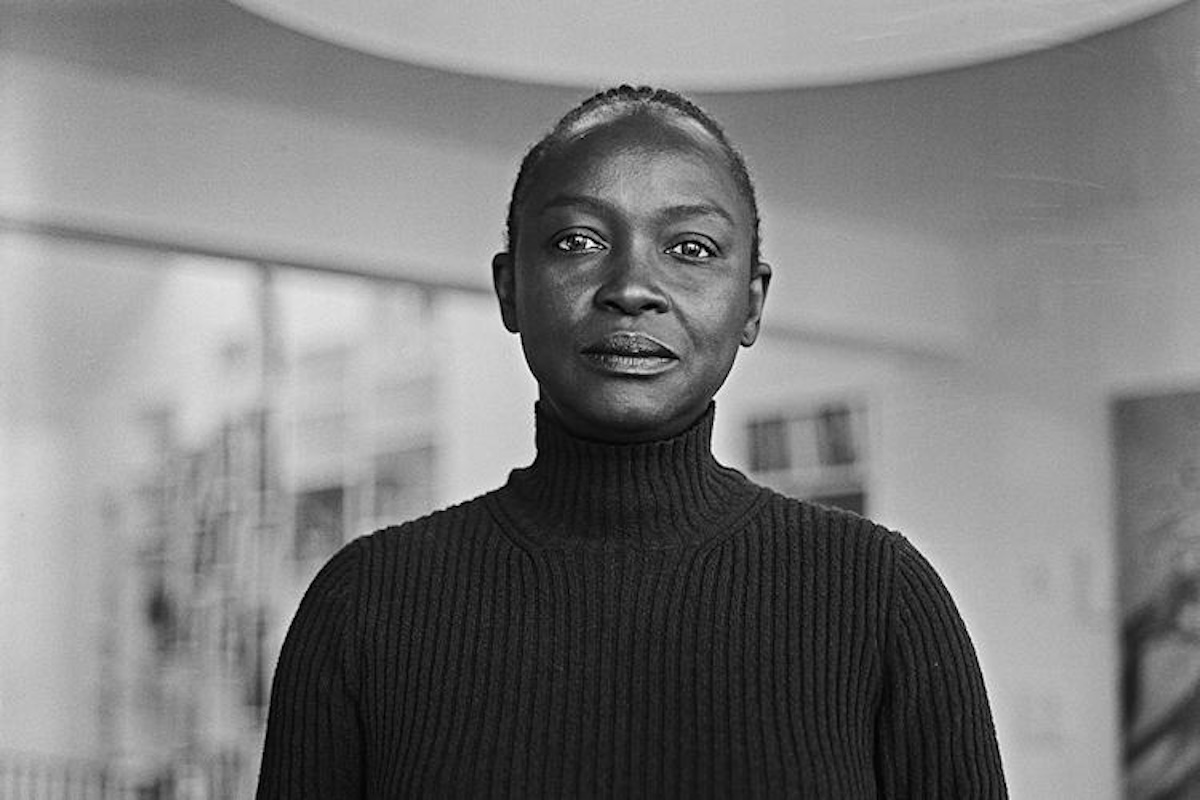
The circumstances of this edition are, inevitably, part of the story. Never before in the history of the Venice Biennale has a curator died during the production of their show. The decision by La Biennale and Kouoh’s family to complete the exhibition rather than appoint a replacement curatorial director was the right one — it honors the specificity of her vision rather than diluting it. The opening day drew approximately 10,000 visitors, up ten percent from 2024, a number that reflects both institutional interest and the broader attention that the circumstances of this edition have generated.
For anyone tracking where the center of gravity in contemporary art exhibition-making currently sits, this is the edition to reckon with. In Minor Keys is on view at La Biennale di Venezia through November 22, 2026.
You may also like
-
GloryLand 2026 Returns to Houston After a Sold-Out Debut Year
-
Guggenheim Abu Dhabi Sets December 11 Opening Date
-
Ann Marguerite Tartsinis Named PMA’s New Curator of Costume and Textiles
-
Jennifer Thompson Named Deputy Director of Collections and Exhibitions at the Philadelphia Museum of Art
-
Massimiliano Gioni Named Director of the New Museum, Only the Third in Its History